
Cervical Myelopathy Treatment in Bangalore
Dr. Naveen Tahasildar offers effective treatment for cervical myelopathy in Bangalore, providing personalized options along with advanced surgical and non-surgical solutions. With over 17 years of experience, he has helped patients regain mobility and reduce pain through targeted, effective treatments suiting each individual’s needs. Whether through minimally invasive procedures or comprehensive rehabilitation, Dr. Tahasildar is dedicated to improving quality of life and restoring function.
What Is Cervical Myelopathy?
Cervical myelopathy is a neurological condition that develops when your spinal cord becomes compressed in the neck (cervical spine). This compression interferes with signal transmission between your brain and body, which can affect movement, coordination, and sensation.
You do not experience cervical myelopathy in the same way as routine neck pain. The condition reflects spinal cord involvement, not muscle or joint strain, and it often progresses if compression continues.
Types Of Cervical Myelopathy
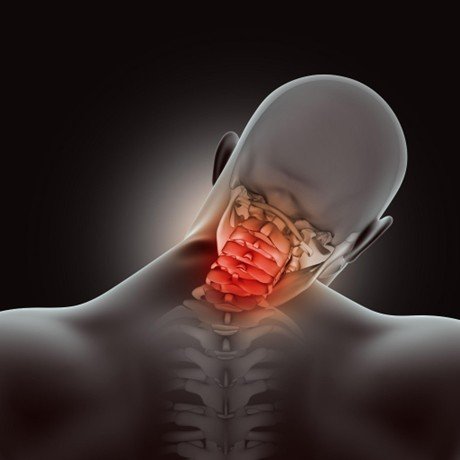
Cervical myelopathy refers to spinal cord dysfunction caused by compression in your neck. Doctors classify it by the underlying cause, which helps guide treatment planning and surgical approach.
Degenerative cervical myelopathy
This is the most common type. Age-related changes such as disc degeneration, bone spur formation, and thickened ligaments narrow the spinal canal and compress your spinal cord over time.
Cervical spondylotic myelopathy
It represents a degenerative subtype linked specifically to cervical spondylosis. You may develop it as normal wear affects discs, facet joints, and supporting structures, leading to progressive neurological symptoms.
Congenital cervical myelopathy
This occurs when you are born with a naturally narrow spinal canal. Even minor degenerative changes or injuries can trigger symptoms earlier because the spinal cord has limited space from the outset.
Ossification-related cervical myelopathy
This develops when ligaments, most often the posterior longitudinal ligament, harden into bone. This process gradually reduces spinal canal space and can cause steady neurological decline.
Traumatic cervical myelopathy
This results from neck injuries such as fractures or dislocations. Symptoms may appear suddenly or worsen over time due to instability or secondary degenerative changes.
Type | Primary Cause | Typical Pattern |
Degenerative | Age-related changes | Gradual progression |
Congenital | Narrow canal at birth | Earlier onset |
Ossification-related | Ligament calcification | Slowly progressive |
Traumatic | Injury or instability | Sudden or delayed |
Schedule a comprehensive evaluation with Dr. Naveen Tahasildar to stabilize your spine and walk with confidence again.
What Exactly Causes Cervical Myelopathy?
The most common cause involves age-related degeneration of the cervical spine. As discs lose height and flexibility, surrounding bones may form spurs that narrow the spinal canal and compress the cord.
You may also develop cervical myelopathy due to a herniated cervical disc. When disc material pushes backward into the spinal canal, it can directly press on the spinal cord and nearby nerves.
Another frequent cause is cervical spinal stenosis, where the spinal canal gradually narrows. This narrowing often results from long-term wear, thickened ligaments, or bony overgrowth.
Certain structural and medical conditions can also contribute, including:
Congenital cervical canal narrowing, present from birth
Ossification of the posterior longitudinal ligament, which stiffens spinal support tissues
Tumours or infections affecting the cervical spine
Inflammatory or autoimmune disorders involving the spinal cord
Trauma to your neck, such as fractures or dislocations from accidents or falls, can trigger sudden spinal cord compression. Even minor injuries may cause symptoms if you already have underlying degeneration.
Understanding the cause of your condition helps guide appropriate treatment and timing of care.
What Are The Symptoms Of Cervical Myelopathy?
Cervical myelopathy affects how your spinal cord sends signals to the rest of your body. Symptoms often develop gradually, and you may not notice them at first.
You may experience loss of hand coordination, which makes everyday tasks harder. Buttons, handwriting, or handling small objects can feel unusually difficult. Problems with balance and walking are common. You might feel unsteady, notice frequent tripping, or develop a wider, slower walking pattern.
Neck pain or stiffness can occur, but it is not always severe. In some cases, you may have minimal neck discomfort despite clear neurological symptoms. You may also notice weakness, numbness, or tingling in your arms, hands, or legs. These sensations can feel persistent rather than coming and going like simple nerve irritation.

Clumsiness in hands and fingers
Difficulty with balance or coordination
Weakness in arms or legs
Numbness or pins-and-needles sensations
Neck stiffness or reduced movement
Changes in bladder or bowel function
If you notice worsening coordination or walking difficulty, you should seek specialist assessment without delay. Early recognition plays a key role in treatment planning.
If simple tasks like buttoning a shirt or writing have become a struggle, take the first step toward regaining your normal rhythm by booking a precision diagnostic consultation today.
How Is Cervical Myelopathy And Its Types Treated?
Treatment focuses on relieving spinal cord compression and preventing further neurological decline. Your care plan depends on symptom severity, imaging findings, and the underlying cause, such as age‑related degeneration or ligament ossification.
Non-surgical treatment
This suits mild cases without progressive weakness. You may receive activity modification, physiotherapy to maintain mobility, and medicines to manage pain or stiffness. Doctors monitor you closely because symptoms can worsen over time.
Surgical treatment
This becomes necessary when you have moderate to severe symptoms or clear spinal cord compression on MRI. Surgery aims to decompress the spinal cord and stabilise the cervical spine.
Common surgical options include
- Anterior cervical discectomy and fusion (ACDF) to remove disc pressure from the front
- Corpectomy and fusion when compression spans multiple levels
- Laminectomy or laminoplasty to create space from the back of the spine
- Stabilisation procedures using plates or screws when instability exists
Different types of cervical myelopathy influence surgical choice. Degenerative cervical myelopathy often requires decompression at multiple levels, while cases linked to ossified ligaments may need more extensive surgery.
Advanced imaging, including MRI, guides planning and helps identify the exact levels of compression. Your surgeon selects the approach that best matches your spinal alignment, number of affected levels, and overall health.
Why Choose Dr. Naveen Tahasildar As Your Spine Specialist
You benefit from a spine surgeon with over 17 years of clinical experience in managing complex cervical spine conditions. Dr. Naveen Tahasildar, leading spine surgeon in Bangalore, treats cervical myelopathy using evidence based & patient centric plans.
You receive treatment from a specialist trained in both non-operative and surgical management. His practice covers cervical disc disease, spinal stenosis, deformities, and spinal tumours, with a strong focus on precise diagnosis and appropriate intervention.
You gain access to minimally invasive spine techniques when suitable. These approaches aim to reduce tissue disruption, support faster recovery, and maintain spinal stability, depending on your condition and imaging findings.
Professional credentials that support your care include:
- Over 25 peer-reviewed research publications
- Membership in recognised spine societies, including international associations
- Ongoing involvement in academic teaching and surgeon training

Area of focus | Relevance to you |
Cervical spine surgery | Targeted treatment for spinal cord compression |
Deformity correction | Management of alignment-related myelopathy |
Tumour decompression | Care for rare but serious causes of cord pressure |
You remain involved in decision-making at every stage, with clear discussions about risks, benefits, and realistic outcomes for your cervical spine health.
Dr. Naveen Is available at both the locations below in Bangalore:
1) Sparsh Hospitals – 146, Infantry Rd, Vasanth Nagar, Bengaluru, Karnataka 560001
2) Naveen Spine & Ortho Clinic – 8 (248/1) ‘’ BHRAMARA’’, S. Kariyappa Road, Sarakki Main Road, Opp. Metro Pillar No 58, Kanakapura Main Rd, Bengaluru, Karnataka 560111
Cervical myelopathy is often a progressive condition, so act now to stop further spinal cord damage and protect your long-term nerve health with an expert treatment plan from Dr. Naveen Tahasildar.
Dr. Naveen’s Successful Case Studies
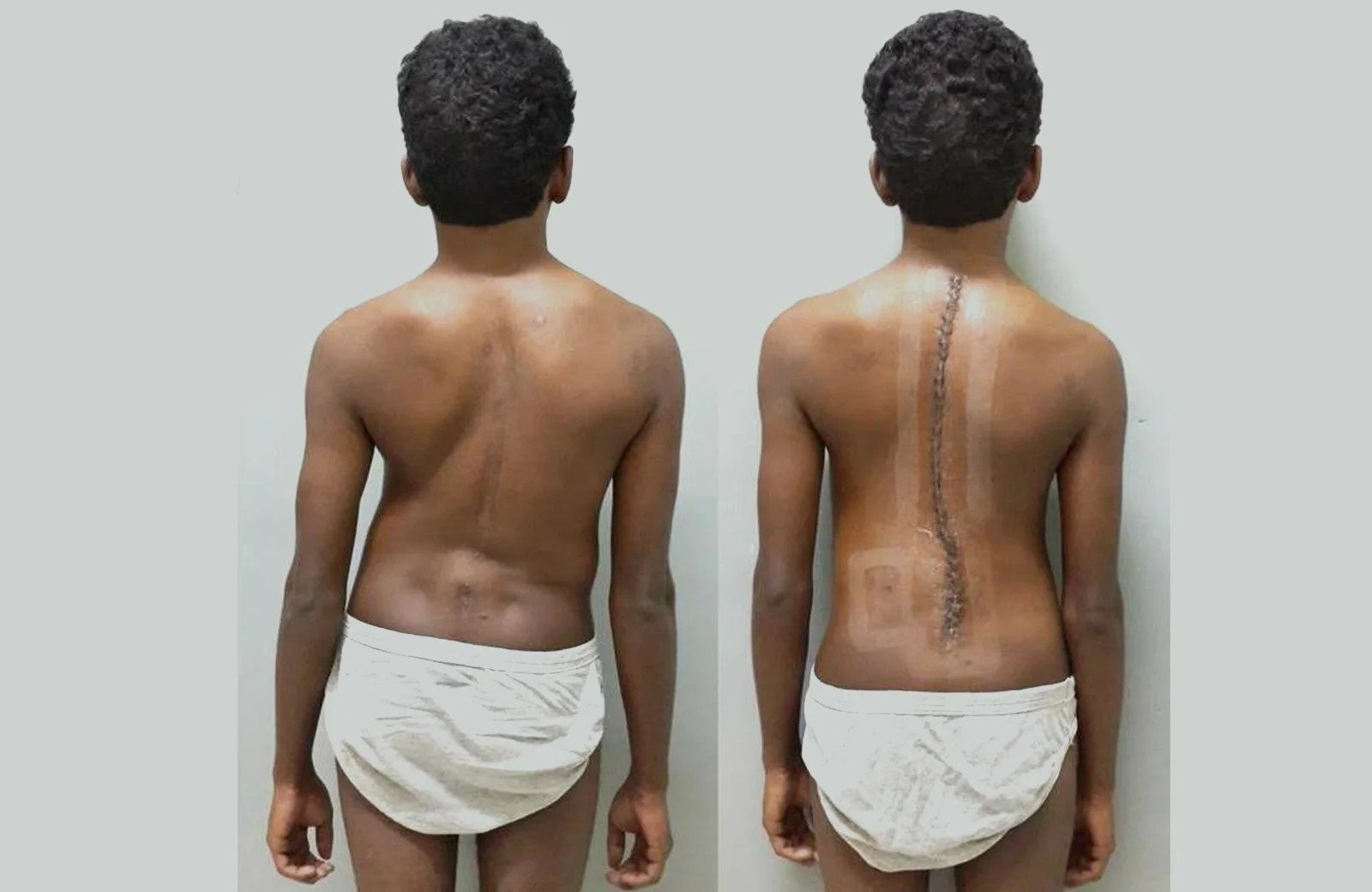
CASE STUDY 1
Mr B, an 18 year old boy, a resident of Chikkaballapur in Karnataka, presented to us with progressively increasing deformity of the back since childhood…
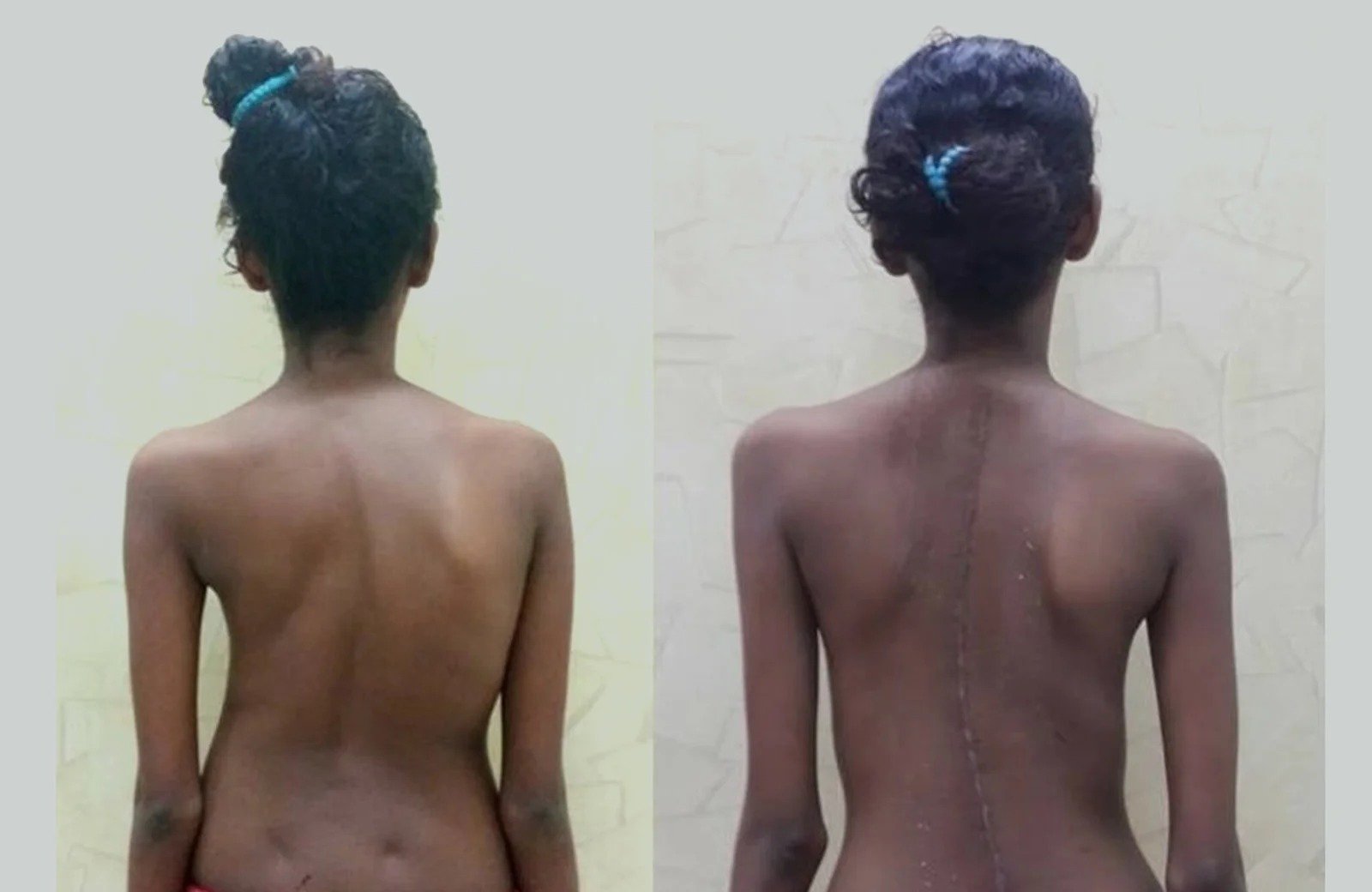
CASE STUDY 2
Ms A, 13 year old girl, a resident of West Bengal, presented to us with a spinal deformity which had been increasing in severity since last 2 years..
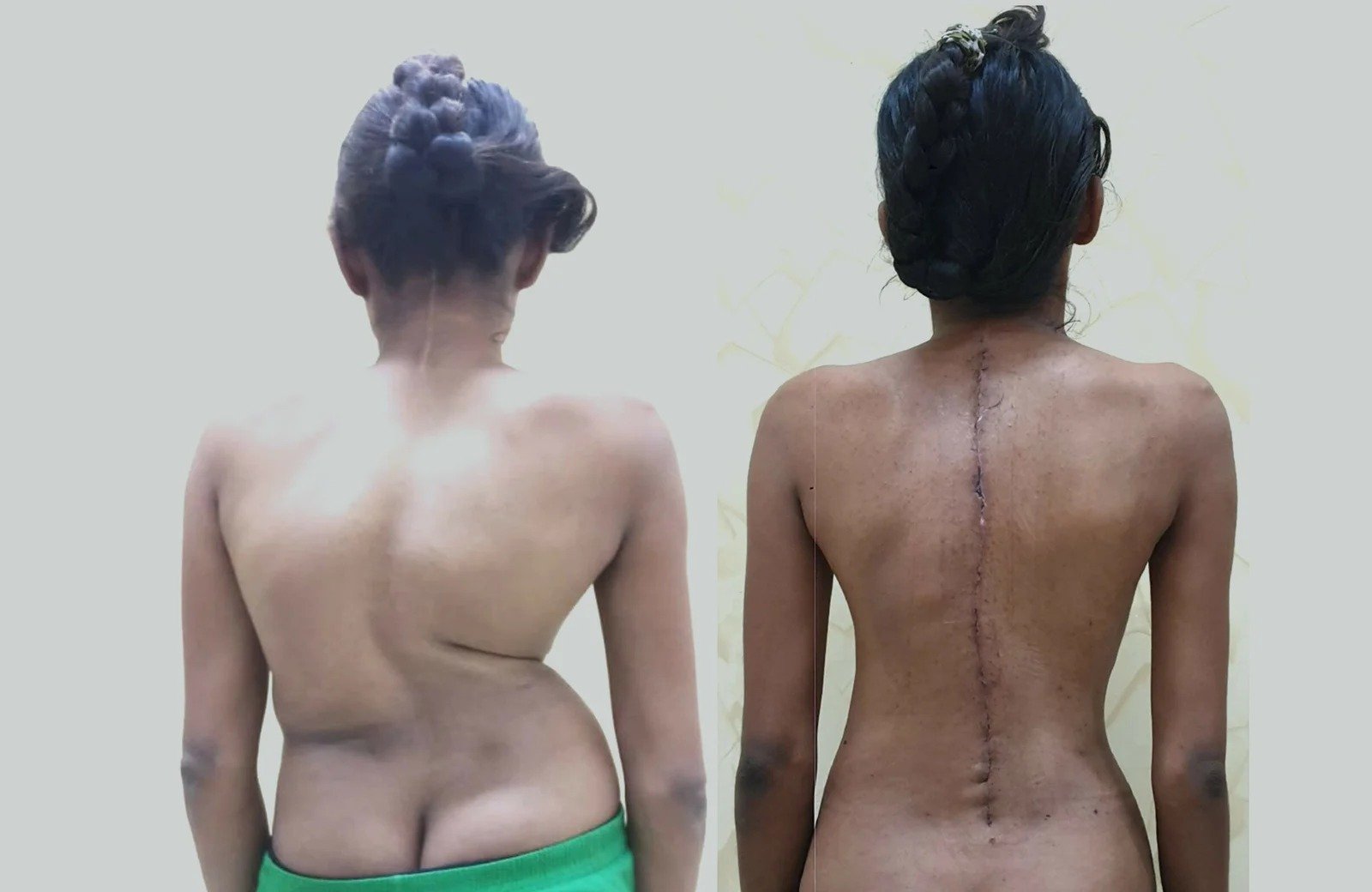
CASE STUDY 3
Ms L, 18 year old girl hailing from Chikkodi Taluk, Belgaum district of Karnataka presented to our department in 2019 with a severe deformity in the spine…
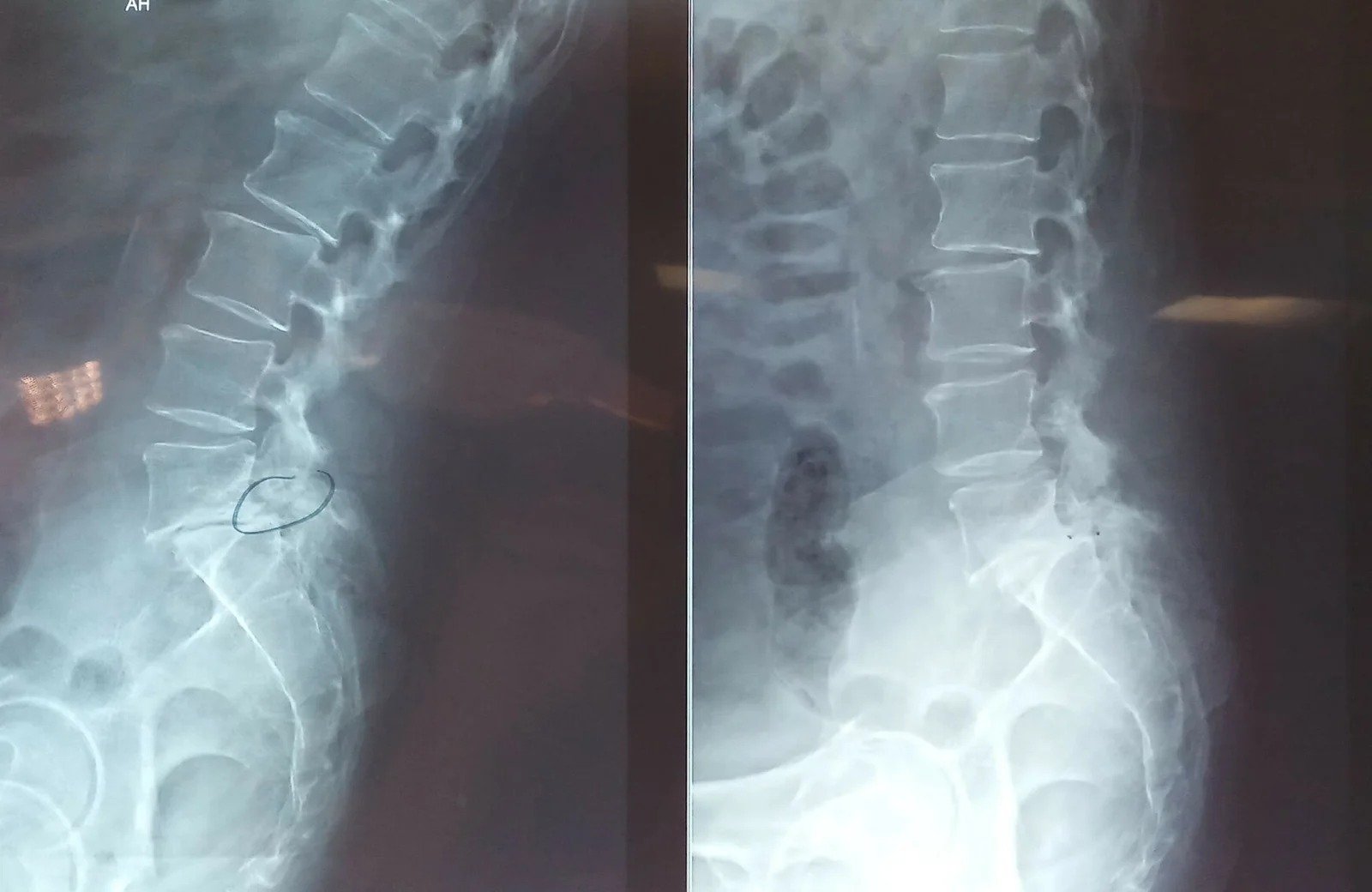
CASE STUDY 4
Mr A, hailing from the city of Patna in Bihar, came with complaints of low back pain for 12 years which aggravated during the last 6 months…
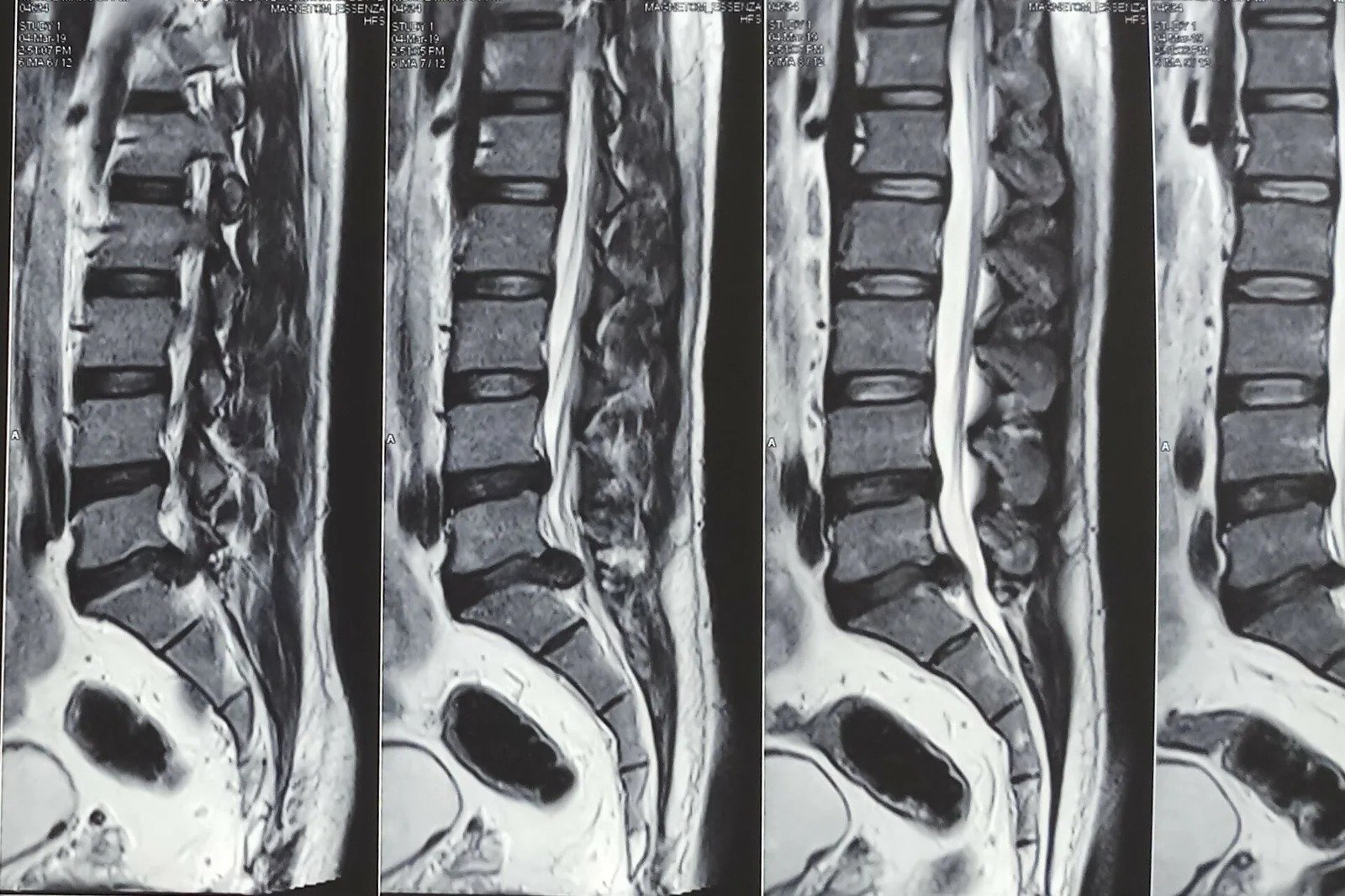
CASE STUDY 5
Mr. M, a 37-year-old IT professional, suffered from low back pain in the last 10 years which did not affect his activities of daily living significantly…
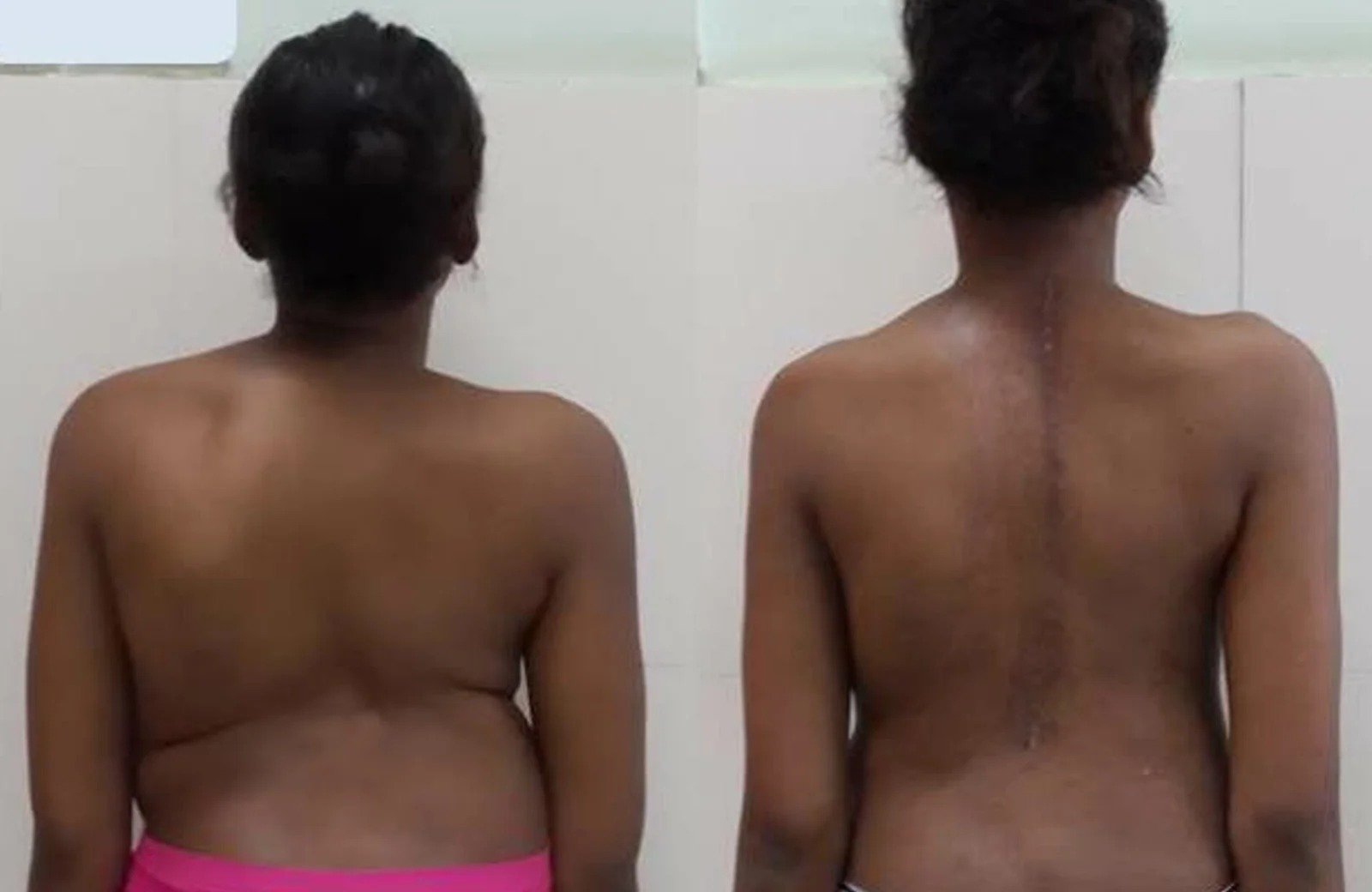
CASE STUDY 6
Ms. J, 14 year old girl from Mauritius came to us with severe scoliosis, which had been progressing. Her daily activities were restricted due the breathing issues…
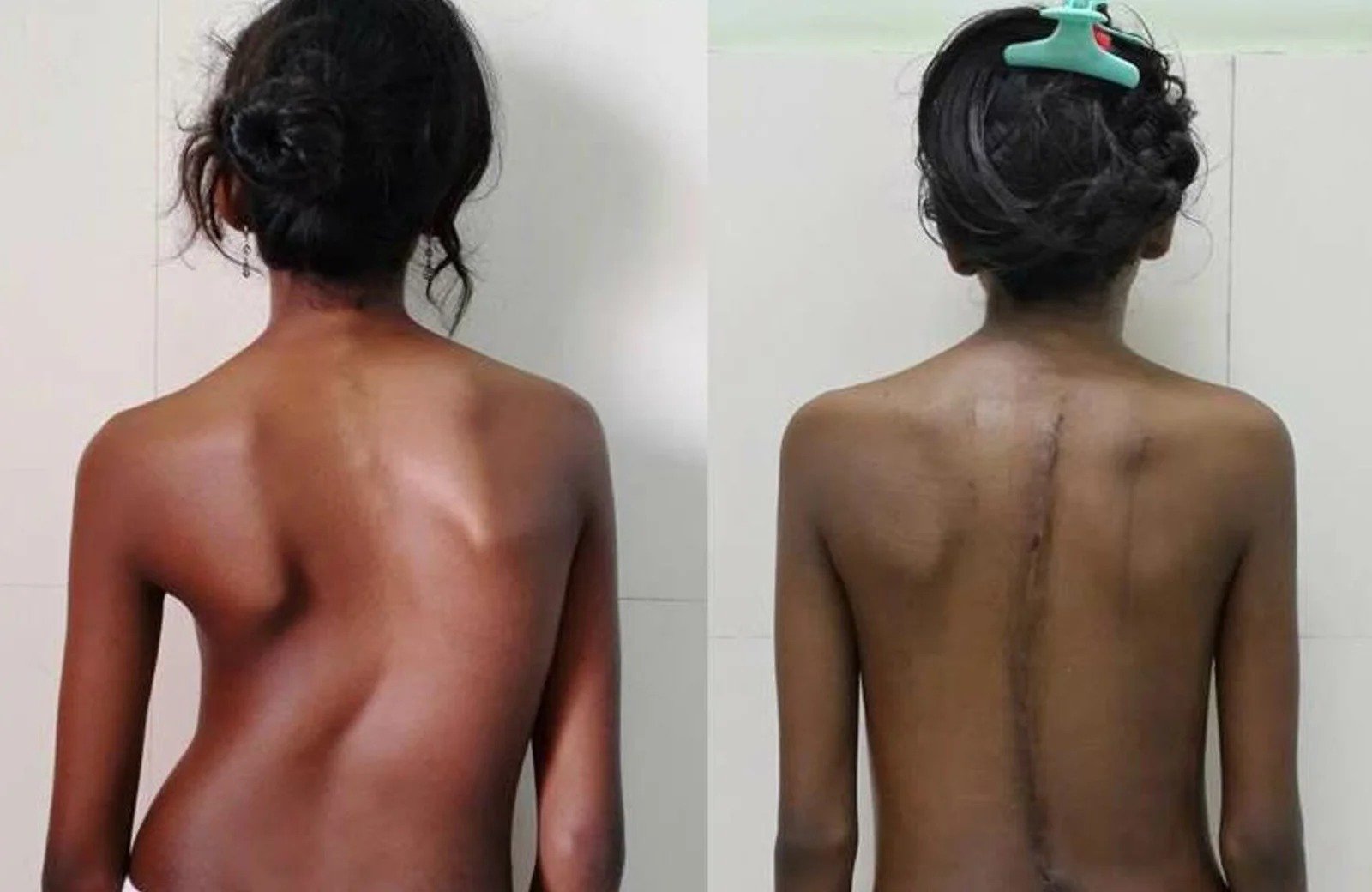
CASE STUDY 7
Ms. M 13 year old girl from Mauritius came to us with scoliosis (sideways bending of spine) which was noticed at the age of 12 years. The deformity kept progressing fast in 1 year…
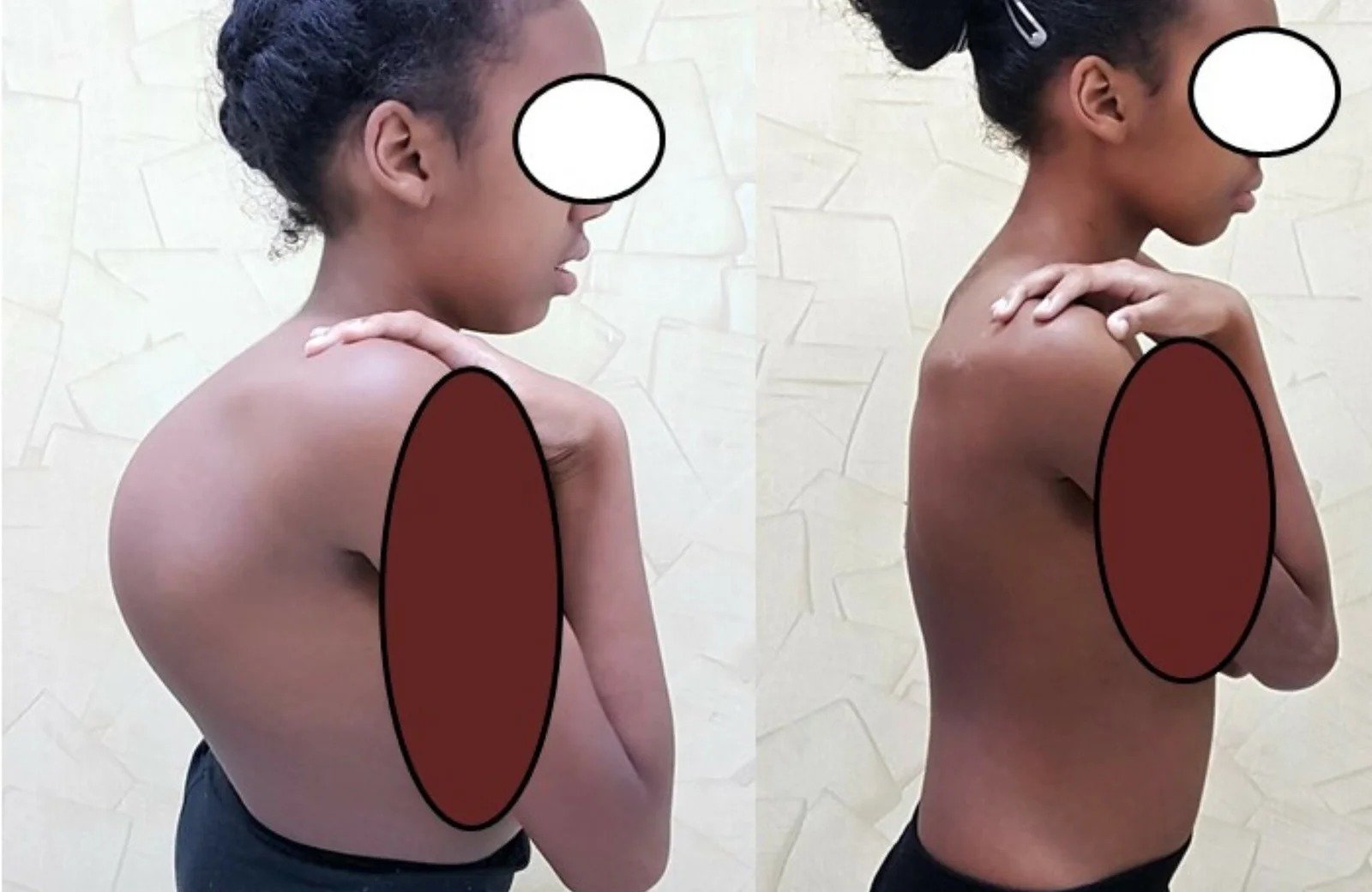
CASE STUDY 8
Ms. S, 12 year old girl from Mauritius came to Dr. Naveen Tahasildar- Consultant Spine Surgeon with a gradually increasing bend in her spine..
Our Patient testimonials
Our Reviews
FAQs
1. Is non-surgical treatment effective for Cervical Myelopathy?
Non-surgical options like physical therapy or medication only manage symptoms. Because the condition involves physical pressure on the spinal cord, surgery is typically required to stop progression and prevent permanent neurological damage.
2. Will surgery completely reverse my numbness and weakness?
The primary goal of surgery is to prevent further damage. While many patients regain significant function, long-term nerve compression may not fully resolve. Early intervention offers the highest chance for symptom reversal.
3. What are the risks of delaying treatment?
Delaying treatment can lead to irreversible spinal cord injury. This includes permanent loss of fine motor skills, chronic balance issues (gait ataxia), and progressive paralysis as the compression worsens over time.
4. What are the common surgical options for this condition?
Treatment involves either Anterior (front of the neck) or Posterior (back of the neck) decompression. The choice depends on the location of the compression and whether the spinal alignment needs correction.
5. How long is the recovery period after surgery?
Most patients are walking within 24 hours and discharged within 2–3 days. You can typically return to sedentary work in 4–6 weeks, while full nerve recovery and bone healing can continue for several months.