Scoliosis Treatment in Bangalore
Scoliosis affects millions of people worldwide, causing abnormal sideways curvature of the spine that can lead to pain, breathing difficulties, and reduced quality of life.
Dr. Naveen Tahasildar, a leading doctor for scoliosis treatment in Bangalore, has over 17 years of experience, offers comprehensive scoliosis treatment ranging from non-surgical management to complex deformity correction surgeries. His expertise in minimally invasive techniques and advanced surgical procedures has helped numerous patients achieve improved spinal alignment and restored function.
Why Choose Dr. Naveen Tahasildar for Scoliosis Treatment
About Dr. Naveen Tahasildar's Qualifications
Dr. Naveen Tahasildar, leading spine specialist in bangalore, holds an MBBS degree and MS in Orthopaedics, forming the foundation of his medical expertise. He completed his orthopedic residency at PGIMER University, Chandigarh, one of India’s most prestigious medical institutions.
His training included three additional years as a registrar in the spine unit, providing specialized focus on spinal disorders. This extended training period equipped him with advanced skills in complex spine surgeries.
Dr. Tahasildar has completed international fellowships in spine surgery, enhancing his expertise with global best practices. These fellowships exposed him to advanced surgical techniques and cutting-edge treatment approaches used worldwide.
His educational background combines rigorous academic training with practical experience. The combination of formal medical education and specialized spine training positions him as a qualified expert in scoliosis treatment.
Specialization in Spine Surgery and Orthopaedics
Dr. Tahasildar, renowned spine surgeon in bangalore, has performed more than 3,000 spine procedures during his career, including complex scoliosis corrections. His surgical experience covers deformity corrections, spinal tumor surgeries, and revision cases.
He operates on over 2,500 complex spine cases, demonstrating extensive hands-on experience with challenging conditions. This volume of surgeries indicates consistent expertise in managing difficult spinal problems.
Minimally invasive surgical techniques form a core part of his practice approach. These advanced methods reduce recovery time while improving surgical outcomes for patients.
His specialization includes:
- Scoliosis correction surgery
- Spinal deformity treatments
- Complex spine reconstructions
- Revision spine surgeries
Dr. Tahasildar actively participates as faculty in national and international spine forums. This involvement keeps him updated with the latest advances in spine surgery techniques.
What is Scoliosis: Causes and Symptoms
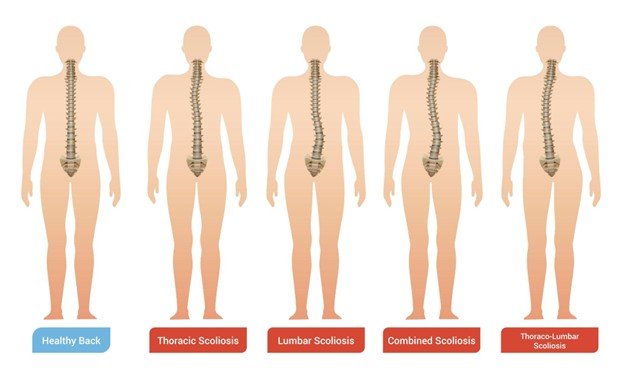
Scoliosis involves an abnormal sideways curvature of the spine that forms an “S” or “C” shape when viewed from behind. The condition affects different regions of the spine and stems from various causes, with symptoms ranging from subtle postural changes to significant physical complications.
Types and Patterns of Scoliosis
- Idiopathic scoliosis represents the most common type, accounting for approximately 80% of cases. The exact cause remains unknown, though genetics play a significant role.This type typically develops during adolescence when rapid growth occurs. It affects girls more frequently than boys, particularly in curves requiring treatment.
- Congenital scoliosis develops before birth due to malformed vertebrae or ribs. These structural abnormalities cause the spine to curve as the child grows.
- Neuromuscular scoliosis results from underlying muscle or nerve conditions. Cerebral palsy, muscular dystrophy, and spina bifida commonly lead to this type.
- Degenerative scoliosis occurs in adults as spinal discs and joints wear down over time. The spine loses its normal alignment, creating curves that worsen with age.
Curves are classified by location: thoracic (upper back), lumbar (lower back), or thoracolumbar (middle back). Double curves affect multiple regions simultaneously.
Common Causes and Risk Factors
Family history serves as the strongest predictor of scoliosis development. Children with affected parents or siblings face increased risk.
Age and gender influence scoliosis patterns significantly. Adolescent girls between ages 10-15 experience the highest rates of curve progression.
Growth spurts accelerate curve development in existing scoliosis cases. Rapid skeletal growth during puberty often worsens spinal curvature.
Underlying medical conditions contribute to secondary scoliosis development:
● Neuromuscular disorders
● Connective tissue disorders
● Previous spinal injuries
● Leg length differences
Birth defects affecting spinal formation create structural scoliosis from infancy. These cases often require early intervention to prevent severe deformity.
Environmental factors rarely cause scoliosis independently. Poor posture, heavy backpacks, or sports participation do not typically create spinal curves.
Recognizing Symptoms Early
The waistline shows uneven spacing on each side. Clothing may hang unevenly or require constant adjustment.
Rib prominence becomes visible when bending forward. One side of the back appears higher, creating a noticeable hump.
Physical discomfort varies by age and severity. Adults experience back pain more frequently than children or adolescents.
Severe cases may cause breathing difficulties as the ribcage compresses lung space. Heart function can also be affected in extreme curvatures.
Postural changes include body tilting to one side or head positioning off-center. The person may appear to lean consistently in one direction.
Functional limitations develop as curves progress. Walking, sitting, or standing for extended periods becomes uncomfortable or difficult.
Early detection allows for more effective treatment options. Regular screening during adolescence helps identify curves before they become severe.
Comprehensive Evaluation for Scoliosis in Bangalore
Diagnostic Techniques and Imaging
X-ray imaging serves as the primary diagnostic tool for scoliosis evaluation. Standing posteroanterior and lateral X-rays allow physicians to measure the Cobb angle, which determines curve severity and guides treatment decisions.
MRI scans provide detailed views of soft tissues, including the spinal cord and nerve roots. This imaging technique proves essential for identifying underlying neurological conditions that may contribute to spinal curvature development.
CT scans offer three-dimensional bone structure visualization. These images help surgeons plan complex procedures by revealing detailed spinal anatomy and identifying bone abnormalities.
Dynamic imaging studies assess spinal flexibility during movement. Bending X-rays demonstrate whether curves are flexible or rigid, directly influencing treatment approach selection.
Assessment of Nerve Compression
Electromyography (EMG) measures electrical activity in muscles affected by compressed nerves. This diagnostic test identifies specific nerve pathways experiencing pressure from spinal curvature.
Nerve conduction studies complement EMG testing by measuring signal transmission speed along nerve pathways. Delayed signals indicate areas where spinal deformity creates nerve compression.
Clinical symptoms requiring evaluation include:
- Numbness in extremities
- Muscle weakness patterns
- Radiating pain down arms or legs
- Balance difficulties
Scoliosis Treatment Approaches
Non-Surgical Management Options
Custom-fitted spinal braces work to prevent curve progression during growth spurts. The effectiveness depends on patient compliance and wearing the brace for prescribed hours daily.
Physical therapy programs
incorporate specific exercises targeting:
- Core strengthening
- Postural correction
- Spinal flexibility
- Breathing techniques
Evidence-based physiotherapy techniques combine manual therapy with targeted exercises. These approaches help manage pain, improve function, and maintain spinal alignment in mild to moderate cases.
Regular monitoring through X-rays tracks curve progression. This allows for timely intervention if conservative measures prove insufficient.
Surgical Correction Techniques
Spine surgery becomes necessary when curves exceed 40-50 degrees or continue progressing despite bracing. Dr. Tahasildar’s extensive experience includes over 2,500 complex spine cases with specialized expertise in deformity corrections.
Spinal fusion remains the gold standard for severe scoliosis. The procedure involves:
- Placement of pedicle screws and rods
- Bone grafting to promote fusion
- Correction of three-dimensional deformity
Advanced techniquesddress complex spinal deformities through:
- Posterior spinal fusion with instrumentation
- Combined anterior-posterior approaches when needed
- Revision surgeries for failed previous procedures
Surgical planning utilizes detailed imaging to determine optimal correction strategies. The goal involves achieving balanced alignment while preserving maximum spinal function.
Surgical options often increase the cost of the treatment, this is why we have provided a detailed breakup of spine surgery costs here for your reference.
Minimally Invasive Spine Surgery
Benefits include:
- Reduced blood loss
- Shorter hospital stays
- Faster recovery times
- Less postoperative pain
Microsurgical techniques allow precise deformity correction with minimal tissue disruption. Dr. Tahasildar’s fellowship training in advanced microsurgical methods enables optimal outcomes.
Patient selection remains crucial for minimally invasive procedures. Factors include curve flexibility, bone quality, and overall patient health status.
Recovery protocols emphasize early mobilization and structured rehabilitation programs. This approach promotes faster return to normal activities while maintaining surgical correction.
Take a look at our successful case studies
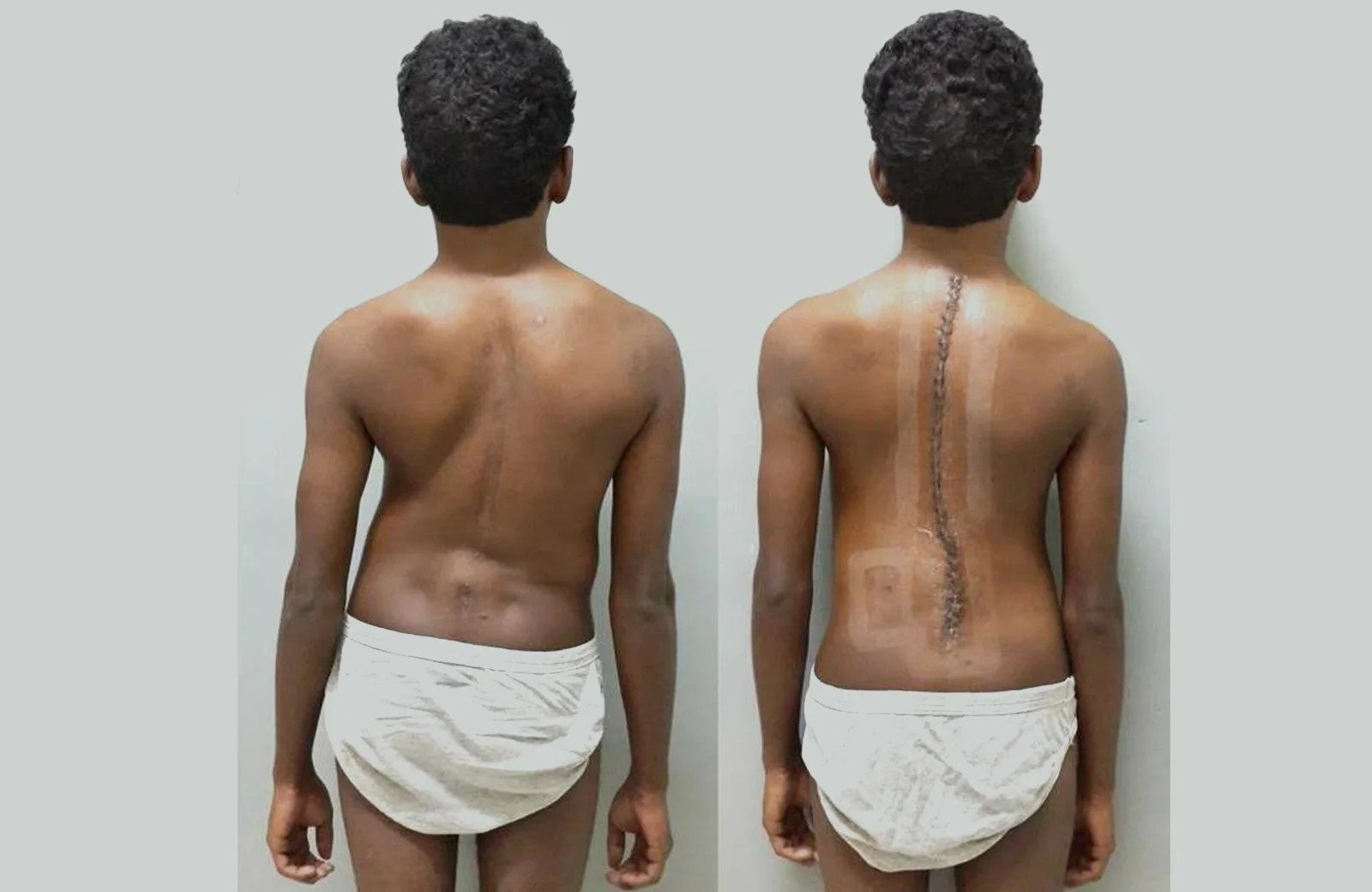
CASE STUDY 1
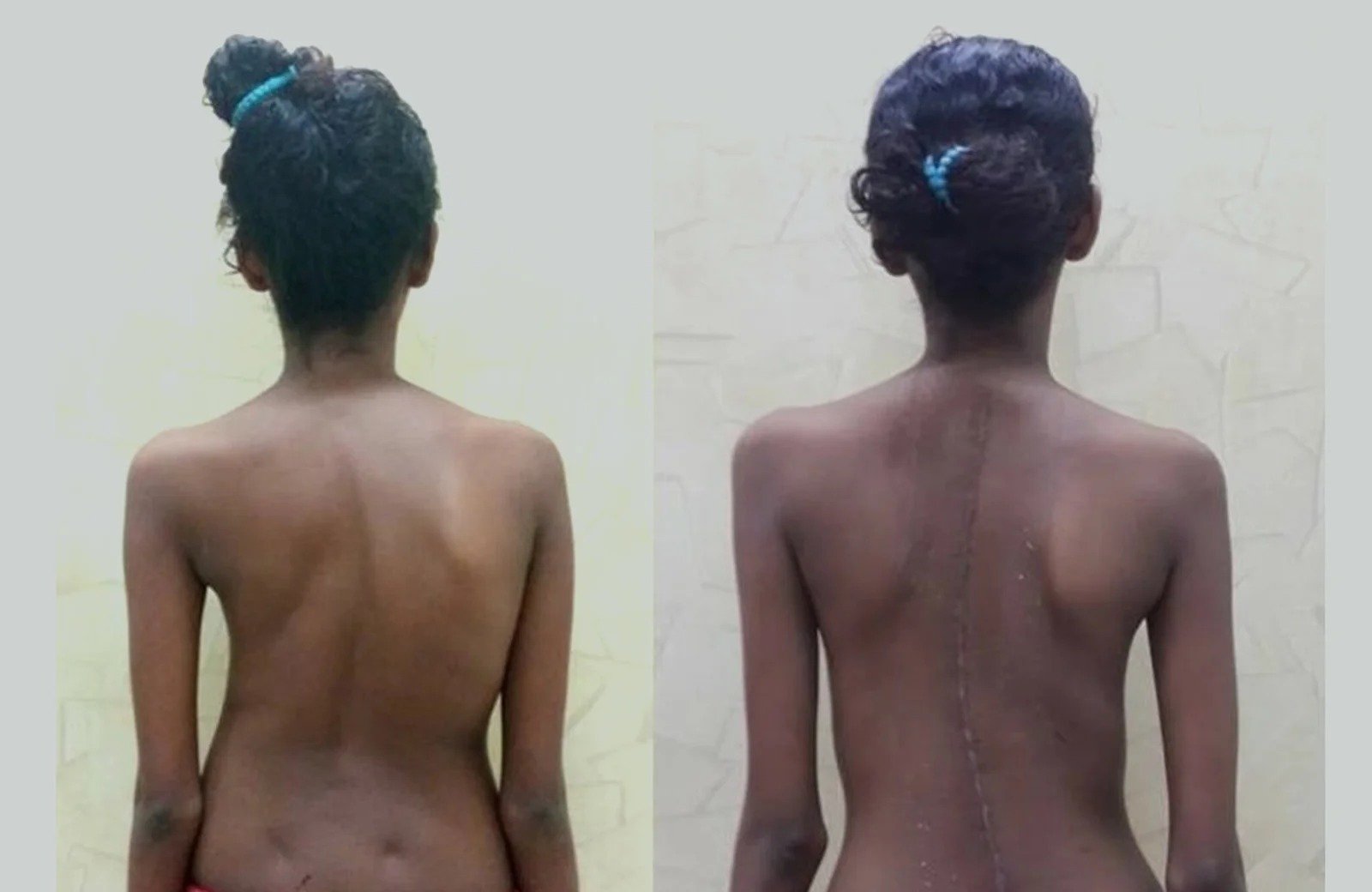
CASE STUDY 2
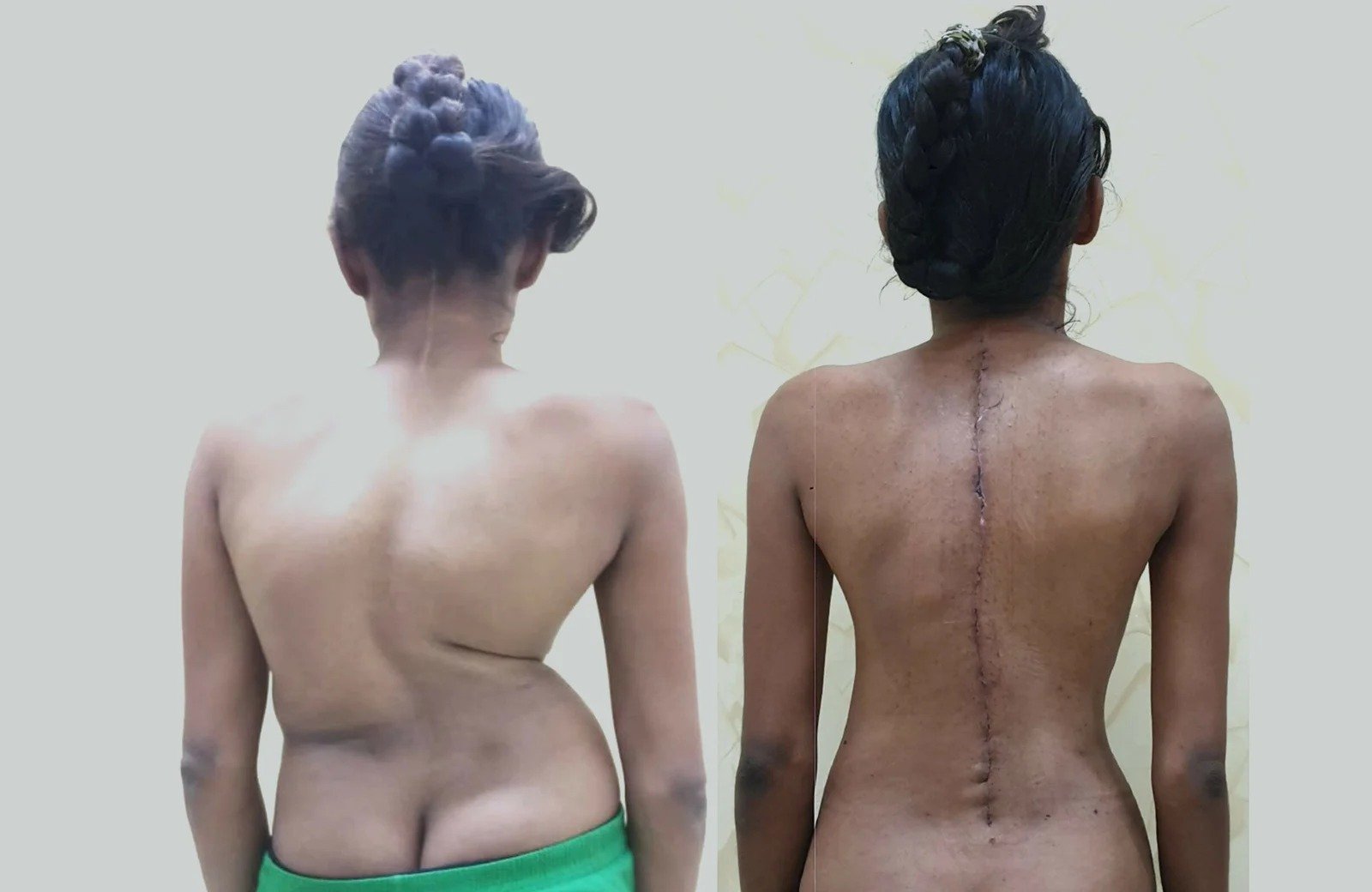
CASE STUDY 3
Patient Journey: From Consultation to Recovery
The First Appointment and Custom Treatment Planning
Advanced imaging studies including X-rays, MRI, and CT scans provide precise measurements of spinal deformity. These diagnostic tools help determine the degree of curvature and identify any nerve compression or structural complications.
Treatment options are discussed based on specific factors:
- Curve severity (measured in degrees)
- Patient age and skeletal maturity
- Symptom progression and functional limitations
- Risk of curve progression without intervention
For curves exceeding 40-50 degrees, surgical correction is typically recommended. Dr. Tahasildar explains minimally invasive techniques and advanced surgical approaches available for each patient’s condition.
The treatment plan includes pre-surgical preparation requirements, expected surgical duration, and post-operative protocols. Patients receive detailed information about spinal fusion procedures, instrumentation options, and artificial disc replacement when applicable.
Support During Treatment and Post-Surgery Care
During hospitalization, dedicated spine care teams monitor neurological function and pain management. Early mobilization typically begins within 24-48 hours post-surgery with physical therapy guidance.
Post-surgery recovery phases include:
- Week 1-2: Hospital monitoring and initial mobilization
- Month 1-3: Gradual activity increase with walking and light exercises
- Month 3-6: Progressive strengthening and flexibility training
- Month 6-12: Return to normal activities with ongoing monitoring
Regular follow-up appointments track healing progress through imaging studies and functional assessments. Physical therapy programs focus on core strengthening, posture improvement, and spinal mobility restoration.
Patients receive detailed home care instructions covering wound management, activity restrictions, and warning signs requiring immediate medical attention.
Success Rate of Scoliosis Treatment
Dr. Tahasildar has performed over 3,000 spine procedures with documented success in complex deformity corrections. His patients experience significant pain relief and improved spinal alignment following surgical intervention.
Treatment outcomes typically include:
- Pain reduction: 80-90% of patients report substantial pain relief
- Functional improvement: Enhanced mobility and daily activity tolerance
- Curve correction: Significant reduction in spinal curvature degrees
- Neurological preservation: Maintained or improved nerve function
Recovery timelines vary based on procedure complexity and individual healing factors. Minimally invasive techniques generally result in shorter hospital stays and faster return to activities.
Long-term follow-up demonstrates maintained spinal correction and patient satisfaction with functional outcomes. Complications remain low when procedures are performed using advanced surgical techniques and comprehensive perioperative care protocols.
Most patients return to work within 6-12 weeks and resume recreational activities within 3-6 months following surgery.
Still have doubts lingering in your mind? Let’s clear them up with some common questions.
FAQs
What is the cost of scoliosis treatment in Bangalore?
Non-surgical treatment (bracing + physiotherapy) typically costs ₹80,000–₹1,50,000. Surgical correction ranges from ₹3,50,000–₹7,00,000 depending on curve severity, implants used, and hospital. An exact cost estimate is provided after the initial consultation.
Can scoliosis be treated without surgery?
Yes. If the spinal curve is below 40 degrees, bracing and physiotherapy are usually sufficient. Surgery is recommended only when the curve exceeds 40–50 degrees or continues progressing despite non-surgical treatment.
At what age should scoliosis treatment be started?
The earlier, the better. Adolescents between ages 10–15 respond best to bracing during growth spurts. That said, scoliosis can be effectively treated at any age — treatment is tailored based on the patient’s age, bone maturity, and curve severity.
How long is recovery after scoliosis surgery?
Most patients walk within 48 hours and are discharged in 5–7 days. Desk work can resume in 6–8 weeks. Full recovery, including return to physical activity, takes 6–12 months.
Is scoliosis surgery safe?
Yes, when performed by an experienced spine surgeon. Modern tools like intraoperative neuromonitoring and computer-aided navigation have made the procedure significantly safer. Dr. Naveen Tahasildar has performed over 3,000 spine procedures and ensures every patient is fully counselled on risks before any surgical decision is made.
Disclaimer: The information shared in this content is for educational purposes only and not for promotional use.