
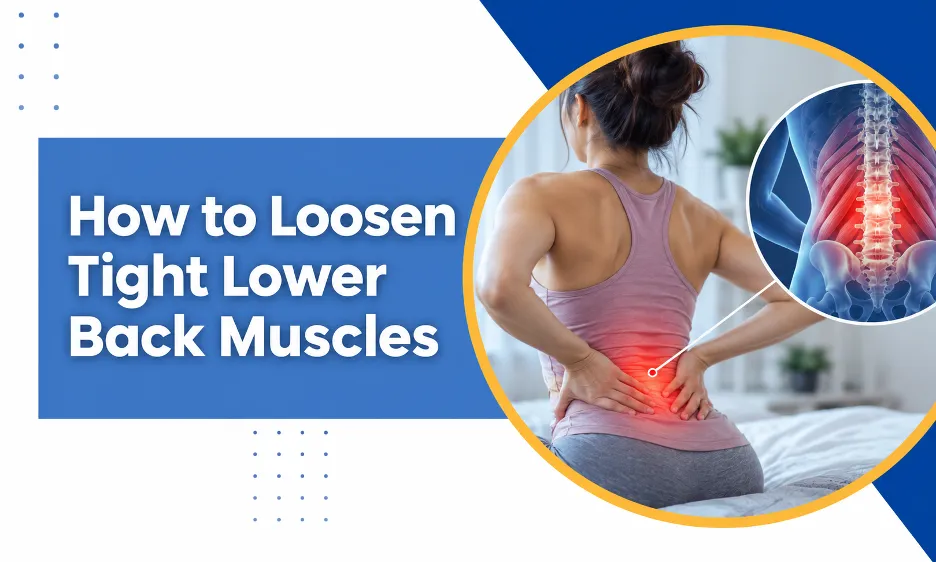
A stiff, tight lower back is one of the most common complaints in adults, especially among people who sit for long hours, drive daily, or lift heavy loads. The muscles feel tense, bending becomes uncomfortable, and getting out of a chair or bed can take a few careful moments. In most cases, the cause is muscular and responds well to simple measures done correctly and consistently.
Dr. Naveen Tahasildar, a spine surgeon in Bangalore, explains that tightness is often the back’s way of protecting itself after strain, prolonged sitting, or weak supporting muscles. The goal is to ease the muscle spasm safely, address why it keeps returning, and recognise the uncommon situations where tightness points to a spine problem that needs evaluation.
“Tight lower back muscles are usually a symptom, not the problem itself. If we only stretch the muscle but ignore the posture, weakness, or habit that caused it, the stiffness tends to return.”
— Dr. Naveen Tahasildar, Spine Surgeon, Bangalore
Lower back stiffness that keeps coming back? Find out what is driving it before it becomes a long-term problem.
Why Do Lower Back Muscles Get Tight?

Muscle tightness is the body’s response to stress on the lower back. Understanding the trigger makes relief more lasting.
Prolonged Sitting:
Sitting for hours keeps the hip flexors shortened and the back muscles in a held position, which gradually leads to stiffness and fatigue.
Weak Core and Glute Muscles:
When the abdominal and buttock muscles do not share the load, the lower back muscles work harder than they should and tighten as a result.
Tight Hips and Hamstrings:
Restricted hips and hamstrings pull on the pelvis and increase strain on the lower back during bending and walking.
Muscle Strain or Overuse:
Lifting with poor technique, sudden twisting, or a sudden jump in exercise can cause muscle spasm as a protective response.
Stress and Poor Sleep:
Emotional stress often shows up as muscle tension, and an unsupportive mattress or awkward sleeping position can leave the back stiff in the morning.
Immediate Ways to Ease Tight Lower Back Muscles
These simple steps can help calm a tight back within the first few days. They are for general muscle tightness without warning signs.
- Keep Moving Gently: Short, easy walks are generally more helpful than prolonged bed rest, which can make stiffness worse.
- Apply Heat: A warm compress or heating pad for 15 to 20 minutes can relax tight muscles and improve comfort. Place a cloth between the heat source and your skin to avoid burns.
- Try a Warm Bath or Shower: Warmth can help muscles relax, especially before gentle stretching.
- Change Positions Often: Avoid staying in one position for too long, and use a small cushion or rolled towel for lumbar support when sitting.
- Use Medication Only as Advised: Over-the-counter pain relievers may help in the short term, but they should be used according to a doctor’s or pharmacist’s advice, particularly if you have other health conditions.
Gentle Stretches to Loosen Tight Lower Back Muscles

Stretches should feel like a mild pull, never sharp pain. Hold each for 20 to 30 seconds, breathe slowly, and stop if you feel numbness, tingling, or pain that travels down the leg.
Knee-to-Chest Stretch:
Lie on your back and gently draw one knee toward your chest, then switch sides. This eases the lower back and buttock muscles.
Pelvic Tilt:
Lying on your back with knees bent, gently flatten your lower back against the floor by tightening your stomach, then relax. Repeat 10 times to improve mobility.
Child’s Pose:
From hands and knees, sit your hips back toward your heels with arms extended forward. This gently lengthens the entire lower back.
Cat-Cow Stretch:
On hands and knees, slowly alternate between rounding and arching your back. The slow, controlled movement helps reduce stiffness.
Supine Figure-4 Stretch:
Lying on your back, cross one ankle over the opposite knee and draw the legs toward you. This targets the deep buttock muscles that often contribute to lower back tightness.
Hip Flexor Stretch:
In a half-kneeling position, gently tuck your pelvis and shift forward. Loosening the front of the hip reduces pull on the lower back, especially for people who sit most of the day.
Hamstring Stretch:
Lying on your back, loop a towel around one foot and gently straighten the leg. Tight hamstrings increase strain on the lower back when bending.
Strengthening Exercises to Prevent Tightness from Returning

Stretching gives short-term relief, but strengthening helps the muscles share the load so tightness is less likely to return.
Glute Bridges:
Lying on your back with knees bent, lift your hips and lower slowly. This strengthens the glutes and back extensors.
Bird-Dog:
From hands and knees, extend the opposite arm and leg while keeping the trunk steady. It trains core control without loading the spine heavily.
Dead Bug:
Lying on your back, slowly lower the opposite arm and leg while keeping your lower back steady. It strengthens deep abdominal muscles.
Walking Regularly:
Regular walking improves circulation, supports spinal health, and helps reduce stiffness over time.
Progress Gradually:
Start with a few repetitions and increase slowly. If an exercise worsens your pain, stop and have it reviewed by a physiotherapist.
Daily Habits That Reduce Lower Back Tightness
Small adjustments to everyday routines can make a significant difference over weeks.
- Set Up Your Workstation: Keep your feet flat, knees at hip level, and screen at eye level, with your lower back supported by the chair.
- Take Movement Breaks: Stand, walk, or stretch for a minute or two every 30 to 45 minutes of sitting.
- Lift Safely: Bend at the hips and knees, keep the load close, and avoid twisting while lifting.
- Sleep in a Supportive Position: Sleeping on your side with a pillow between the knees, or on your back with a pillow under the knees, can reduce strain on the lower back.
- Manage Stress: Breathing exercises, short walks, and adequate sleep can reduce muscle tension that builds up during stressful periods.
Not sure whether your back tightness is just muscular? A clinical assessment can clarify the cause and next steps.
Warning Signs That Need Prompt Medical Attention

Some symptoms should not be managed with home stretches. Seek medical care promptly if you notice:
- Weakness, numbness, or loss of sensation in one or both legs
- Difficulty controlling urine or bowel movements, or numbness in the groin or inner thighs
- Back pain after a fall, accident, or significant injury
- Fever, unexplained weight loss, or pain that is worse at night or at rest
- Pain that is severe, steadily worsening, or not relieved by position changes
According to the Mayo Clinic, most back pain improves with self-care within a few weeks, but pain that spreads down the legs, causes weakness or numbness, or follows an injury needs medical evaluation.
“Many patients with tight backs simply need the right exercises and habit changes. Imaging and procedures are reserved for those whose symptoms or examination point to something more.”
— Dr. Naveen Tahasildar
Tired of living with a stiff, tight back? Discuss your symptoms with a spine specialist and understand your options.
Conclusion
Tight lower back muscles usually respond to gentle movement, heat, targeted stretches, and strengthening of the core and hips, along with better sitting and lifting habits. Consistency matters more than intensity, and stretches should never cause sharp or radiating pain. If tightness persists beyond a few weeks, keeps returning, or comes with leg symptoms or other warning signs, a proper evaluation helps find the underlying cause and guides the right treatment.
FAQs
1. What is the fastest way to loosen tight lower back muscles?
Gentle walking, heat for 15 to 20 minutes, and easy stretches such as knee-to-chest and pelvic tilts often help within a few days. Avoid forcing any stretch or staying in bed for long periods.
2. Is it safe to stretch a tight lower back every day?
Gentle stretching once or twice daily is generally safe if it causes only a mild pull. Stop and seek advice if you feel sharp pain, numbness, or tingling travelling down the leg.
3. Should I use heat or ice for tight lower back muscles?
Heat is usually more comfortable for muscle tightness and stiffness, while ice may help in the first day or two after a sudden strain. Use whichever eases your symptoms, and protect your skin.
4. Can sitting for long hours cause lower back tightness?
Yes. Prolonged sitting shortens the hip flexors and keeps the back muscles in a held position, which contributes to stiffness. Regular movement breaks and good lumbar support can help.
5. When should I see a doctor for tight lower back muscles?
See a doctor if tightness lasts more than four to six weeks, keeps returning, spreads down the leg, or comes with weakness, numbness, fever, or bladder or bowel changes. Urgent care is needed for sudden weakness or loss of bladder control.
References:
- Mayo Clinic — Back Pain: https://www.mayoclinic.org/diseases-conditions/back-pain/symptoms-causes/syc-20369906
- NHS — Back Pain: https://www.nhs.uk/conditions/back-pain/
Disclaimer: This article is for general information and does not replace a medical consultation. Exercises should be stopped if they cause pain, and treatment decisions depend on individual evaluation.