

Spondylosis Treatment in Bangalore
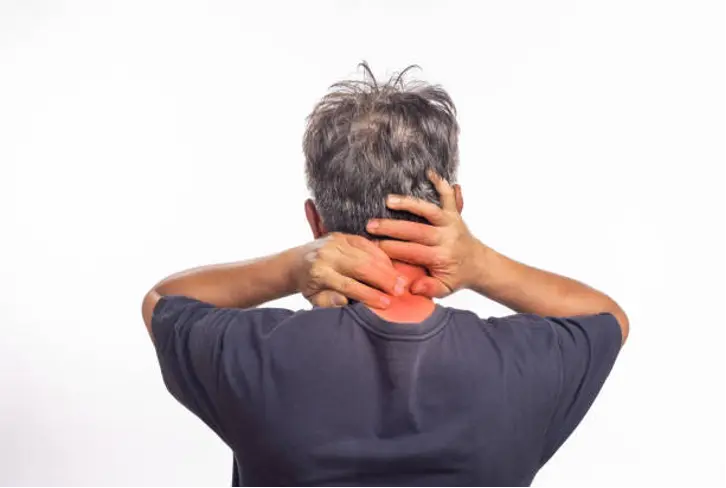
Spondylosis, often referred to as age-related wear and tear of the spine, is a common condition affecting individuals over 40. It can lead to painful symptoms such as stiffness, discomfort, and reduced mobility. The condition affects the vertebrae, discs, and ligaments of the spine, often compressing spinal nerves and causing additional pain.
Dr. Naveen Tahasildar, an acclaimed spine specialist in Bangalore, highlights, “Spondylosis can be managed effectively with early diagnosis and personalized treatment plans, which can prevent further complications and improve quality of life.”
With over 17 years of experience in treating complex spinal conditions, Dr. Tahasildar is known for his expertise in both minimally invasive and advanced surgical techniques. He offers comprehensive spondylosis treatment in Bangalore, ensuring that each patient receives personalized care tailored to their specific needs. His patient-centered approach and proven track record make him a trusted choice for anyone seeking effective spine care.
Wondering how spondylosis develops over time? Let’s explore the common causes and their impact on the spine.
What Is Spondylosis?
Spondylosis is the term used to describe age-related degenerative changes in the spine, including wear and tear of the bones, discs, and joints in the neck and lower back. While it is often associated with aging, younger individuals can also experience early-onset due to genetics, injuries, or poor posture. The condition can cause stiffness, discomfort, and nerve compression, leading to pain and reduced mobility.
Types of Spondylosis
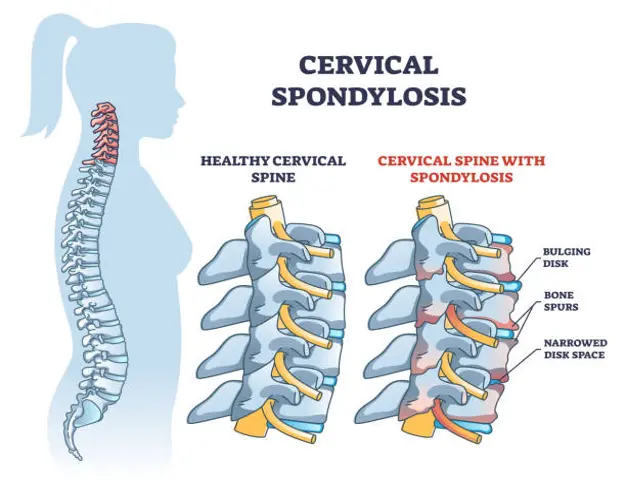
Cervical Spondylosis
Affects the neck region and can cause stiffness, pain, and difficulty in moving the head.
Lumbar Spondylosis
Occurs in the lower back and is one of the leading causes of back pain, which can radiate to the legs.
Thoracic Spondylosis
Involves the mid-back and is less common but can still result in discomfort and stiffness.
If you’re experiencing any of these symptoms, it’s time to talk to a spine professional. Connect with an expert to get the right treatment plan for your condition.
What causes spondylosis to develop over time? Let’s discuss the major risk factors that can lead to spinal wear and tear.
What Exactly Causes Spondylosis?
The natural aging process is the major cause of spondylosis, which results in wear and tear of the spine. The other contributory factors include:
Heredity
Genetic predispositions have the potential to make an individual more vulnerable to spondylosis.
Injury
Past spine injuries or accidents can accelerate degenerative changes.
Repetitive Motion
Activities that involve repetitive motions or heavy lifting can strain the spine.
Poor Posture
Maintaining poor posture over time can contribute to spinal degeneration.
Now, let’s explore the common signs of spondylosis and how they can affect daily life.
What Are The Symptoms Of Spondylosis?
The symptoms of spondylosis vary depending on its location and severity. Common symptoms include:
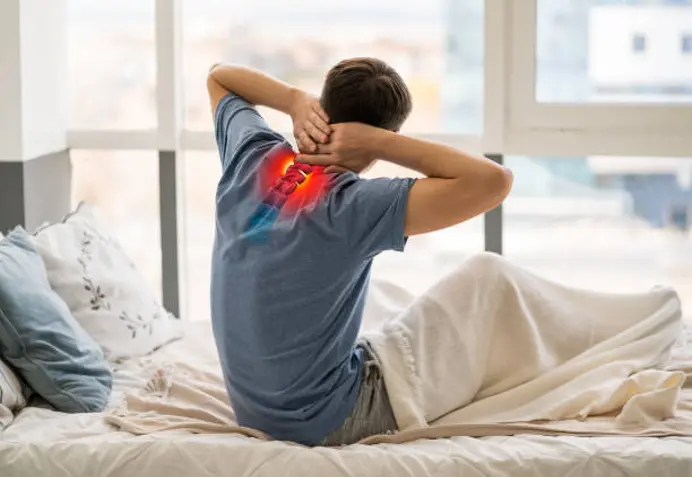
Neck or back pain
Persistent neck or lower back pain.
Stiffness
Difficulty in the movement of the affected area.
Numbness or tingling
The compression of the nerves can lead to numbness or tingling in the arm or legs of the patient.
Muscle weakness
Arm or leg weakness can be experienced in case the nerves are severely compressed.
Not sure about the treatment options for spondylosis? Let’s discuss the various approaches, from non-surgical solutions to advanced surgical techniques.
How Is Spondylosis and Its Types Treated?
The choice of treatment for spondylosis depends on intensity of the symptoms and the type of spondylosis experienced by a patient. The aim is to manage pain, avoid further degeneration and improve mobility. The following are the key treatment options:
Conservative Treatments:
These include physical therapy, anti-inflammatory medications, hot/cold therapy, and lifestyle modifications.

Spinal Injections:
Epidural steroid injections or facet joint injections may be administered in order to reduce inflammation and offer temporary pain relief. Such injections are typically used in circumstances when the other methods of treatment have not been effective enough.
Minimally Invasive Surgery:
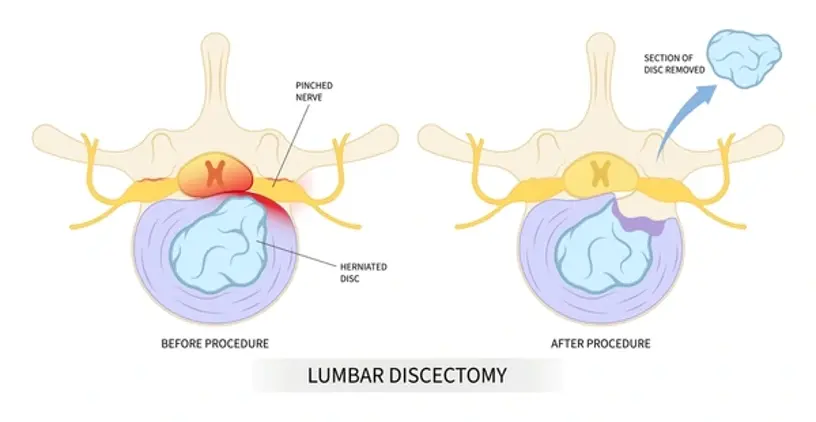
Discectomy: The removal of a herniated disc that may be pressing on nerves.
Spinal Fusion: A procedure that fuses two or more vertebrae together to reduce motion and stabilize the spine.
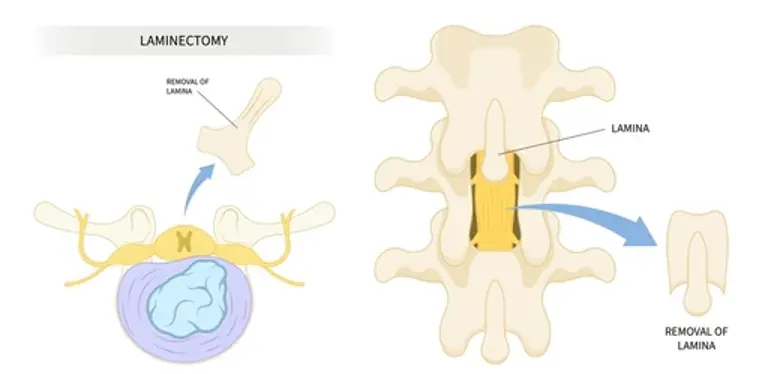
Laminectomy: The removal of part of the vertebra to relieve pressure on spinal nerves.
These high-tech procedures result in minimal incisions, less tissue damage, and faster recovery than conventional surgery.
Don’t let spondylosis control your life. Reach out to an expert to explore the best treatment plan tailored to your needs.
Why settle for anything less when you can have the best? Let’s explore the reasons why Dr. Naveen Tahasildar is the ideal choice for spine care.
Why Choose Dr. Naveen Tahasildar as Your Spine Specialist

17+ Years of Experience
Dr. Naveen Tahasildar is a leading spine surgeon in Bangalore with over 17 years of expertise in treating a wide range of spinal conditions, including spondylosis.
Over 3,000 Successful Procedures
He has successfully performed more than 3,000 spine surgeries, including complex procedures like deformity corrections and spinal tumour surgeries.
Minimally Invasive Techniques
Dr. Tahasildar specializes in advanced minimally invasive techniques that promote faster recovery and reduce post-surgery complications.
Comprehensive Care
He offers both surgical and non-surgical treatment options, ensuring a holistic approach to spine health.
International Fellowships
Dr. Naveen Tahasildar holds international fellowships in spine surgery, bringing cutting-edge knowledge and global expertise to his practice.
Patient-Centered Approach
He prioritizes personalized care, understanding the unique needs of each patient and tailoring treatment plans accordingly.
FAQs
1. Can spondylosis be treated without surgery?
Yes, in many cases, spondylosis can be managed with physical therapy, medication, and lifestyle changes.
2. When is surgery needed for spondylosis?
Surgery may be necessary if conservative treatments do not relieve symptoms or if there is significant nerve compression.
3. Can spondylosis lead to permanent disability?
If untreated, spondylosis can lead to permanent nerve damage, but with timely treatment, it can be effectively managed.
4. How long does recovery take after spondylosis surgery?
Recovery time varies depending on the procedure, but minimally invasive surgeries typically result in faster recovery compared to traditional surgeries.
5. What is the success rate of spine surgery with Dr. Naveen Tahasildar?
Dr. Naveen Tahasildar has an excellent success rate with his minimally invasive surgical techniques, significantly improving patient outcomes and reducing recovery times.
Disclaimer: The information shared in this content is for educational purposes and not for promotional use.
