
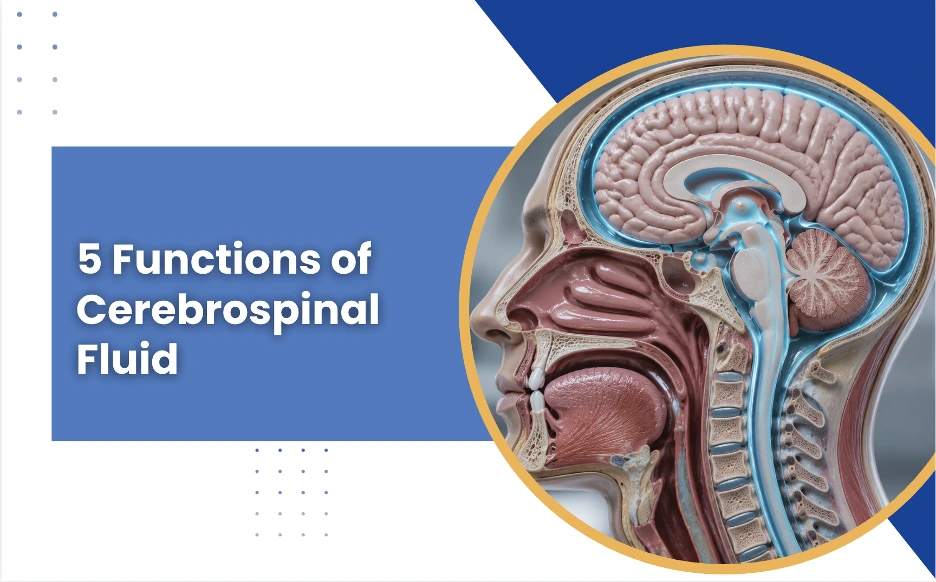
Cerebrospinal fluid (CSF) is a clear, colourless fluid that surrounds the brain and spinal cord, acting as a protective cushion and a nutrient delivery system. Dr. Naveen Tahasildar, a leading spine surgeon in Bangalore, explains that CSF plays a far bigger role than most people realise. From shielding the brain during a fall to flushing out metabolic waste at night, this fluid keeps the entire central nervous system functioning.
The brain produces around 500 ml of CSF every day, but only about 150 ml circulates at any given time. The rest gets reabsorbed and recycled continuously. That constant turnover is what keeps the system healthy.
“Cerebrospinal fluid is one of the most underrated parts of the nervous system. Most patients never think about it until something goes wrong, and by then, the symptoms are already serious.”
— Dr. Naveen Tahasildar, Spine Surgeon, Bangalore
Experiencing persistent headaches, neck pain, or balance issues? CSF-related disorders often hide behind everyday symptoms. Early evaluation by a spine specialist can identify the source before complications develop.
What Is Cerebrospinal Fluid?
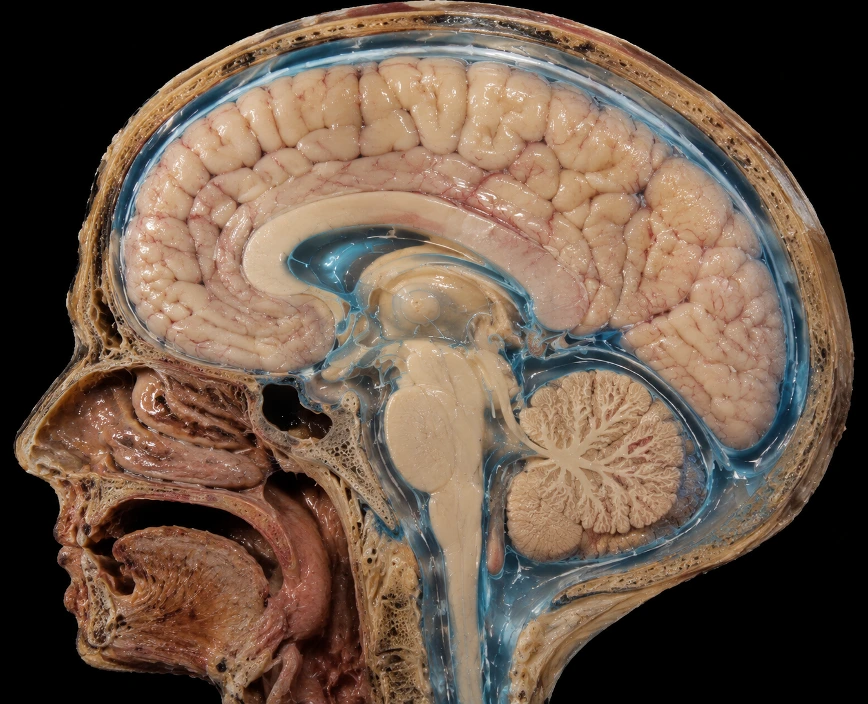
Cerebrospinal fluid is a watery, plasma-like fluid produced primarily by the choroid plexus, a specialised network of cells inside the brain’s ventricles. It circulates through the brain’s cavities, around the spinal cord, and finally gets absorbed back into the bloodstream. Understanding its functions helps patients recognise why conditions like CSF leaks, spinal stenosis, and certain post-surgical complications need urgent attention.
CSF is more than just water. It contains glucose, electrolytes, proteins, and a small number of white blood cells. Each component plays a specific role, whether nourishing brain tissue, regulating pressure, or helping detect infections.
When CSF flow is disrupted, whether by a blockage, leak, or overproduction, the consequences can be severe. Conditions like hydrocephalus, intracranial hypertension, and spinal CSF leaks all stem from imbalances in this delicate system.
That’s why spine surgeons monitor CSF carefully during procedures involving the spinal canal. Even a small unintended dural tear can cause days of headache, nausea, and dizziness if not addressed properly.
The 5 Key Functions of Cerebrospinal Fluid

CSF does far more than simply float the brain. It serves five essential roles that protect and sustain the central nervous system every second of every day.
Mechanical Protection and Cushioning
The brain weighs around 1.4 kg, but inside the skull, it feels nearly weightless. That’s because CSF surrounds it, providing buoyancy and reducing its effective weight by about 97%. During sudden movements, falls, or impacts, the fluid absorbs shock and prevents the brain from striking the inside of the skull. The spinal cord receives similar protection, which is why intact CSF flow matters in trauma cases.
Maintaining Intracranial Pressure
CSF helps regulate the pressure inside the skull. Production, circulation, and absorption stay in balance to keep intracranial pressure stable. When this balance breaks down, conditions like hydrocephalus (too much fluid) or intracranial hypotension (too little) develop. Symptoms include severe headaches, vision changes, and nausea. Patients with persistent headaches that worsen on standing or lying down should get evaluated, since this pattern often signals a CSF imbalance.
Nutrient Delivery and Waste Removal
CSF supplies glucose, electrolytes, and proteins to brain tissue that doesn’t have direct access to the bloodstream. At the same time, it carries away metabolic waste, including proteins linked to neurodegenerative diseases. Research from the National Institutes of Health shows this clearance happens largely during sleep, which is one reason poor sleep is linked to long-term brain health problems.
Chemical Stability of the Central Nervous System
The brain is extremely sensitive to changes in its chemical environment. CSF maintains a stable concentration of ions, hormones, and neurotransmitter precursors, ensuring that neurons fire reliably. Even small disturbances in CSF composition can affect mood, alertness, and motor function. This is why doctors sometimes test CSF through a lumbar puncture, the chemical profile gives a direct window into what’s happening inside the nervous system.
Immune Defence and Infection Detection
CSF contains immune cells and antibodies that monitor the central nervous system for infection. When pathogens cross the blood-brain barrier, immune cells in the CSF respond quickly. This is also why CSF analysis is critical in diagnosing meningitis, encephalitis, and certain autoimmune conditions affecting the brain or spine. A change in CSF cell count or protein levels can confirm or rule out serious neurological infections within hours.
Worried about persistent headaches, neck stiffness, or unexplained balance problems? These can sometimes signal CSF flow abnormalities that need specialist evaluation.
What Happens When CSF Function Is Disrupted?
When CSF circulation breaks down, the entire central nervous system suffers. The symptoms depend on whether there’s too much fluid, too little, or a leak somewhere along the pathway.
CSF Leaks:
A tear in the dura, the membrane surrounding the brain and spinal cord, allows fluid to escape. The classic symptom is a positional headache that worsens when standing and improves when lying down. CSF leaks can occur spontaneously, after trauma, or following spine procedures, including epidurals and lumbar punctures.
Hydrocephalus:
When CSF accumulates inside the brain’s ventricles, pressure builds up. In infants, it causes an enlarged head. In adults, it leads to memory problems, gait disturbance, and incontinence. Normal pressure hydrocephalus is often mistaken for dementia, but it can be reversed with timely treatment.
Intracranial Hypertension:
Elevated CSF pressure without excess fluid causes headaches, vision changes, and ringing in the ears. Women of childbearing age are more commonly affected, particularly with weight gain or certain medications.
Spinal Cord Compression Affecting CSF Flow:
Conditions like degenerative disc disease or spinal stenosis can obstruct CSF flow around the spinal cord. This can produce subtle but progressive neurological symptoms, from numbness to balance issues to muscle weakness.
According to the Cleveland Clinic, even small CSF abnormalities can have outsized effects on brain and spine function, which is why timely diagnosis matters.
When to See a Spine Surgeon
Most CSF-related issues need specialist evaluation. Symptoms that should prompt an urgent consultation include:
- Headaches that worsen on standing and improve on lying down (possible CSF leak)
- Persistent headache with vomiting, vision changes, or drowsiness (possible raised intracranial pressure)
- Clear fluid leaking from the nose or ear, especially after trauma
- New balance problems, gait disturbance, or memory decline in older adults
- Severe neck stiffness with fever (possible meningitis, a medical emergency)
Patients recovering from spine surgery should also report any unusual headaches, fluid leakage from the wound, or sudden positional pain. Early detection of post-surgical CSF leaks prevents most complications.
Concerned about CSF-related symptoms after a procedure or injury? An expert spine consultation can identify the cause and start treatment before complications develop.
How Dr. Naveen Tahasildar Approaches CSF-Related Spine Conditions

Dr. Naveen Tahasildar brings 18+ years of focused spine expertise and 4,000+ procedures performed across two Bangalore locations, Sparsh Hospitals on Infantry Road, Vasanth Nagar and Naveen Spine & Ortho Clinic on Sarakki Road. His international fellowship training, including SICOT at Aarhus University Hospital, Denmark, focused specifically on minimally invasive techniques that minimise the risk of dural tears and CSF leaks. For conditions where CSF flow is compromised, his approach combines high-resolution imaging, precise surgical technique, and careful post-operative monitoring.
Patients suspected of having a CSF leak, hydrocephalus, or spinal cord compression undergo targeted investigations including MRI, CT myelography where indicated, and CSF analysis. Treatment is matched to the cause, ranging from conservative bed rest and hydration for small leaks, to image-guided epidural blood patches, to surgical repair in persistent cases.
“When CSF flow is disrupted, time matters. Small problems become large ones quickly, and the difference between full recovery and lasting damage often comes down to how soon a patient gets evaluated.”
— Dr. Naveen Tahasildar, Spine Surgeon, Bangalore
FAQs
How much cerebrospinal fluid does the body produce daily?
The brain produces around 500 ml of CSF every day, with about 150 ml circulating at any time.
Can a CSF leak heal on its own?
Small CSF leaks often heal with bed rest, hydration, and caffeine within a few weeks. Larger leaks may need an epidural blood patch or surgical repair.
What does cerebrospinal fluid look like?
Normal CSF is clear and colourless, similar to water. Cloudy, yellow, or bloody CSF indicates infection, bleeding, or other problems.
Is a lumbar puncture safe?
Yes, when performed by an experienced specialist. Mild headache afterwards is common but usually settles within a few days.
Can spine surgery cause CSF problems?
Rarely. Modern minimally invasive techniques significantly reduce the risk of dural tears and CSF leaks compared to traditional open surgery.
What are the warning signs of a CSF leak after spine surgery?
Severe positional headache, nausea, neck stiffness, or clear fluid leaking from the surgical site should prompt immediate evaluation.
Disclaimer
This blog is for informational and educational purposes only and is not a substitute for professional medical advice. Always consult a qualified spine specialist for diagnosis and treatment.