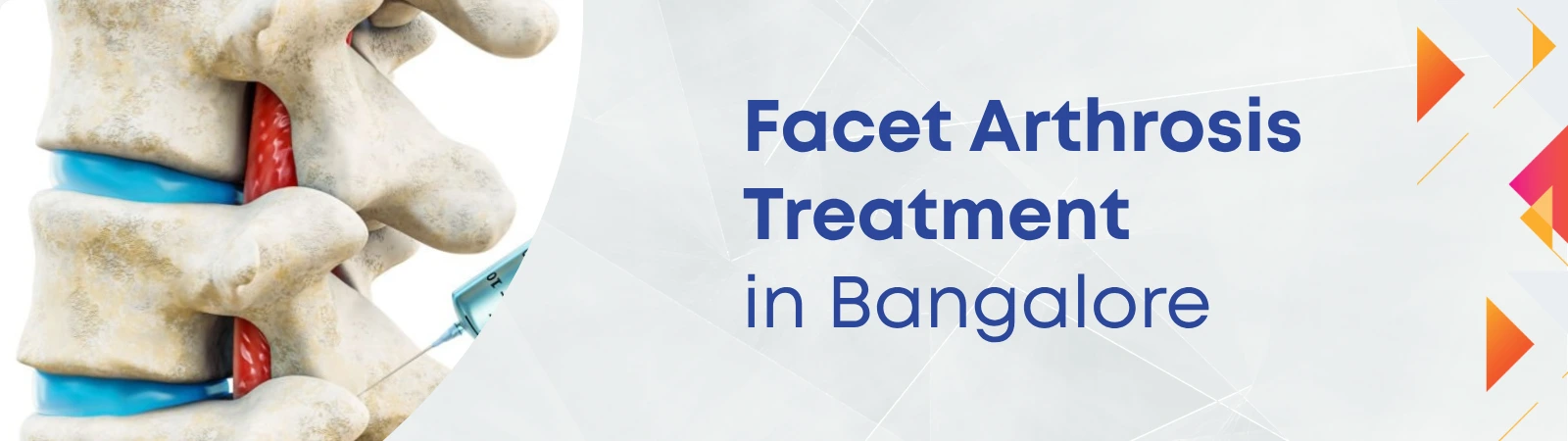
Facet Arthrosis Treatment in Bangalore
Facet arthrosis, a degenerative condition affecting the small joints of the spine, is one of the leading causes of chronic back and neck pain in adults over 40. It causes stiffness, localised pain, and restricted spinal movement that can significantly impact your daily life.
Dr. Naveen Tahasildar, a leading spine specialist in Bangalore, states, “Facet arthrosis is often underdiagnosed but highly manageable. With the right treatment plan, conservative or surgical: patients can regain mobility and live pain-free.”
With over 17 years of experience treating complex spinal conditions, Dr. Tahasildar offers comprehensive facet arthrosis treatment in Bangalore. His patient-centred approach combines precise diagnostics with personalised care plans, ensuring every patient receives the most effective treatment suited to their condition.
What Is Facet Arthrosis?
Facet arthrosis refers to the age-related degeneration of the facet joints, the paired joints located at the back of each vertebra that allow controlled spinal movement. As the cartilage protecting these joints gradually wears away, the resulting bone-on-bone friction leads to inflammation, pain, and reduced mobility.
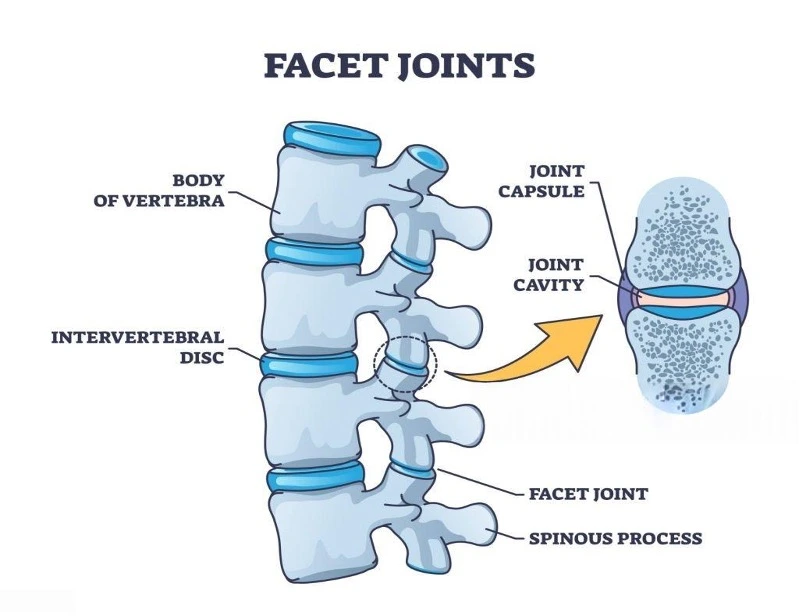
Unlike general muscle-related back pain, facet arthrosis reflects structural joint breakdown. It is closely associated with spondylosis and degenerative disc disease and tends to worsen progressively without proper treatment.
Chronic back pain slowing you down? Book a consultation with Dr. Naveen Tahasildar and take the first step toward lasting relief.
Types of Facet Arthrosis
Facet arthrosis can affect different regions of the spine, and the symptoms vary based on the location and extent of joint degeneration. Understanding the type helps in identifying the source of pain and planning the most effective treatment approach.
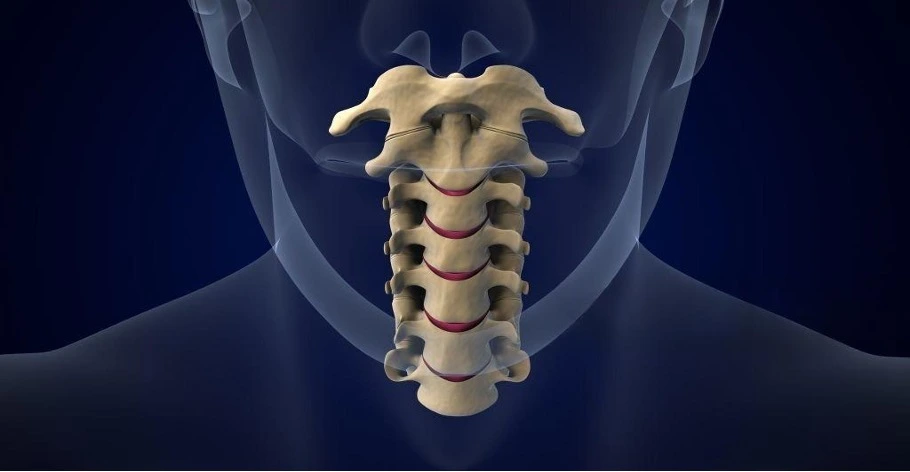
Cervical Facet Arthrosis:
Affects the facet joints in the neck region. You may experience neck stiffness, restricted head movement, and pain radiating toward the shoulders or the base of the skull.
Thoracic Facet Arthrosis:
Involves the mid-back joints. Though less common, it causes persistent mid-spinal discomfort, particularly during rotational movements or prolonged sitting.
Lumbar Facet Arthrosis:
The most prevalent form, affecting the lower back. Pain typically worsens with spinal extension, prolonged standing, or walking. It is frequently associated with spinal stenosis.
Bilateral Facet Arthrosis
Occurs when degeneration affects both sides of a spinal segment simultaneously, causing symmetrical pain and significantly limiting range of motion.
|
Type |
Location |
Key Symptom |
|
Cervical |
Neck |
Stiffness, shoulder-radiating pain |
|
Thoracic |
Mid-back |
Rotational discomfort |
|
Lumbar |
Lower back |
Extension-related pain |
|
Bilateral |
Any level |
Symmetrical restriction
|
What Exactly Causes Facet Arthrosis?
Age-related wear and tear is the primary cause, but several factors can accelerate joint breakdown in the spine.
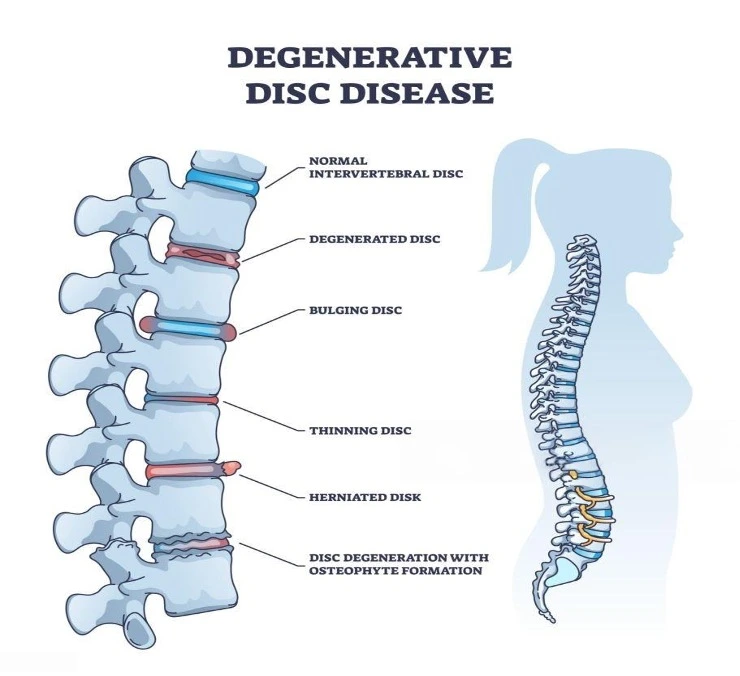
Natural Ageing:
As you age, cartilage within the facet joints gradually loses hydration and elasticity, leading to progressive degeneration and bone spur formation.
Degenerative Disc Disease:
When intervertebral discs lose height, the load on facet joints increases significantly, speeding up cartilage erosion and joint inflammation.
Degenerative Disc Disease:
Occupations or activities involving repeated bending, twisting, or heavy lifting place sustained mechanical stress on facet joints, accelerating degeneration over time.
Poor Posture:
Prolonged incorrect posture especially during desk work or driving alters spinal load distribution and contributes to early-onset facet joint breakdown.
Previous Spinal Injury or Surgery:
Prolonged incorrect posture especially during desk work or driving alters spinal load distribution and contributes to early-onset facet joint breakdown.
Genetic Predisposition:
A family history of spinal arthritis or joint degeneration can increase your susceptibility to facet arthrosis at an earlier age.
Don’t let back pain hold you back. Reach out to Dr. Naveen Tahasildar for an accurate diagnosis and a personalised treatment plan.
What Are the Symptoms of Facet Arthrosis?
Symptoms of facet arthrosis develop gradually and can often be mistaken for general back pain. Recognising specific patterns allows for earlier diagnosis and more effective management.
Localised Neck or Back Pain:
Persistent pain centred around the affected spinal segment, often worse in the morning or after periods of inactivity.
Pain That Worsens With Extension:
Pain that intensifies when you lean backward or stand for extended periods is a hallmark symptom, particularly in lumbar facet arthrosis.
Stiffness and Reduced Range of Motion:
Difficulty rotating or bending the spine, especially after rest, is a common early indicator of facet joint degeneration.
Referred Pain to Buttocks, Hips, or Shoulders:
Lumbar facet arthrosis can cause pain radiating to the buttocks or thighs, which is sometimes confused with sciatica. Cervical involvement may produce shoulder or arm discomfort.
Muscle Spasm Around the Spine:
Involuntary tightening of muscles adjacent to the affected joints, as a protective response to joint instability or inflammation.
Worsening Discomfort After Prolonged Sitting or Standing:
Sustained postures that load the facet joints consistently trigger pain flare-ups in affected individuals.
If these symptoms persist for more than a few weeks, a specialist assessment is essential to prevent further joint deterioration.
How Is Facet Arthrosis and Its Types Treated?
Treatment is guided by symptom severity, the location of joint involvement, and how significantly the condition impacts your daily function. Dr. Naveen Tahasildar creates individualised care plans combining the most appropriate approaches for each patient.
Conservative Treatments:
Suitable for mild to moderate cases, these include physiotherapy to strengthen supporting spinal muscles, anti-inflammatory medications to reduce joint swelling, activity modification to minimise facet joint stress, and hot or cold therapy for muscle spasm relief.
Interventional Pain Management:
When conservative care provides insufficient relief, minimally invasive procedures are recommended:
- Facet Joint Injections — Corticosteroid injections delivered directly into the affected joint to reduce inflammation and provide targeted pain relief
- Medial Branch Nerve Blocks — Used both diagnostically and therapeutically to interrupt pain signals from specific facet joints
- Radiofrequency Ablation (RFA) — A proven procedure using heat energy to disrupt pain-transmitting nerves, offering relief lasting six months to over a year
Surgical Treatment:
Reserved for cases where neurological symptoms develop or all conservative and interventional options have failed:
- Facet Joint Decompression — Relieves pressure caused by hypertrophied joints contributing to spinal stenosis. See more about spinal stenosis treatment in Bangalore
- Spinal Fusion — Stabilises severely degenerated spinal segments when joint instability is confirmed on advanced imaging
Explore your treatment options with Bangalore’s trusted spine specialist — book your consultation today.
Why Choose Dr. Naveen Tahasildar as Your Spine Specialist

17+ Years of Experience
Dr. Naveen Tahasildar is a leading spine surgeon in Bangalore with over 17 years of expertise in treating a wide range of spinal conditions, including spondylosis.
Over 3,000 Successful Procedures
He has successfully performed more than 3,000 spine surgeries, including complex procedures like deformity corrections and spinal tumour surgeries.
Minimally Invasive Techniques
Dr. Tahasildar specializes in advanced minimally invasive techniques that promote faster recovery and reduce post-surgery complications.
Comprehensive Care
He offers both surgical and non-surgical treatment options, ensuring a holistic approach to spine health.
International Fellowships
Dr. Naveen Tahasildar holds international fellowships in spine surgery, bringing cutting-edge knowledge and global expertise to his practice.
Patient-Centered Approach
He prioritizes personalized care, understanding the unique needs of each patient and tailoring treatment plans accordingly.
FAQs
1. Can facet arthrosis be treated without surgery?
Yes. Most patients respond well to physiotherapy, anti-inflammatory medications, facet joint injections, and radiofrequency ablation. Surgery is considered only when conservative and interventional treatments fail or neurological symptoms develop.
2. How is facet arthrosis different from a slipped disc?
Facet arthrosis affects the posterior facet joints of the spine, while a slipped disc involves the cushioning discs between vertebral bodies. Both conditions can coexist, making accurate imaging essential for diagnosis.
3. What happens if facet arthrosis is left untreated?
Without treatment, facet arthrosis can progress to significant joint hypertrophy, spinal stenosis, chronic pain, and in advanced cases, nerve compression with neurological symptoms.
4. How long does a facet joint injection provide relief?
Relief varies by individual. Most patients experience benefits for several weeks to months. Radiofrequency ablation typically offers longer-lasting results of six months to over a year.
5. What is the success rate of treatment with Dr. Naveen Tahasildar?
Dr. Naveen Tahasildar has an excellent track record with both interventional pain procedures and minimally invasive surgical techniques, significantly improving patient outcomes and quality of life.
Disclaimer: The information shared in this content is for educational purposes and not for promotional use.