
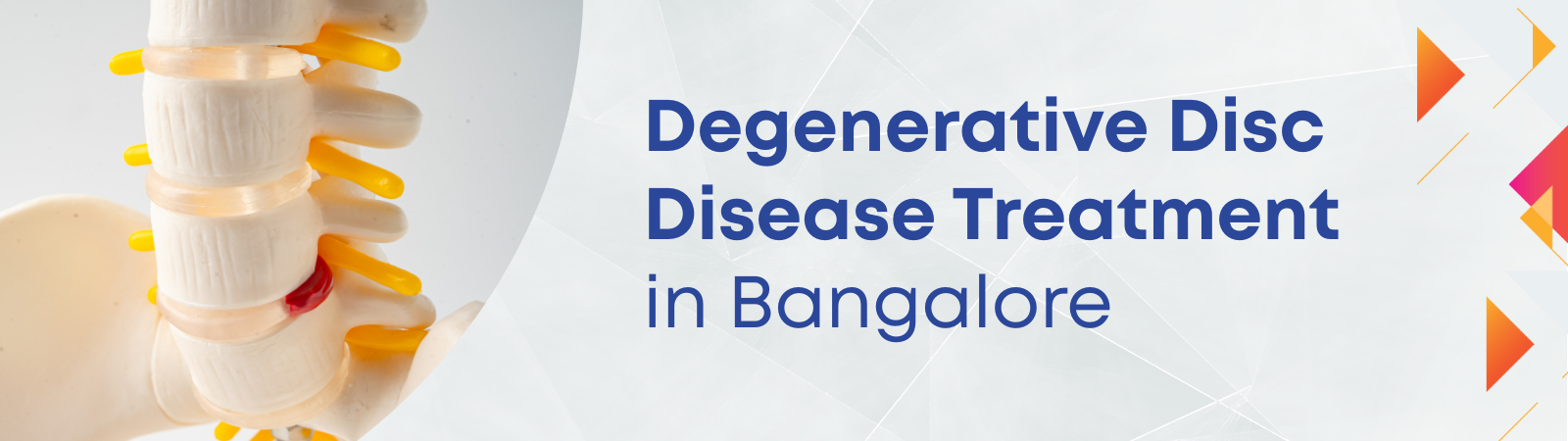
Degenerative Disc Disease Treatment in Bangalore
Degenerative disc disease develops when spinal discs lose hydration and flexibility with age or repeated strain, leading to back or neck pain, stiffness, and nerve-related symptoms. You may notice discomfort that worsens with movement or long periods of sitting, and over time it can affect daily function and mobility.
We provide degenerative disc disease treatment in Bangalore through evidence-based care that focuses on accurate diagnosis, non-surgical options first, and minimally invasive surgery only when necessary. Our approach addresses the underlying disc changes while relieving pain, improving stability, and supporting long-term spine health.
Under Dr. Naveen Tahasildar, a leading spine surgeon in Bangalore we guide you through understanding causes, early warning signs, and treatment choices with clarity and precision. We emphasize personalized planning, modern spine techniques, and a structured treatment process designed to help you return to normal activity with confidence.
What Are the Causes of Degenerative Disc Disease?
We see degenerative disc disease develop most often from age-related changes in the spine. As discs lose water content over time, they become thinner and less flexible, which reduces shock absorption and increases stress on surrounding structures.
Repeated wear and tear also plays a major role. Daily activities such as bending, lifting, twisting, and prolonged sitting create small injuries in the disc outer layer, which can accumulate and worsen existing spinal problems.
Several structural and medical factors can accelerate disc degeneration. These conditions often alter spinal alignment or increase pressure on discs and nerves:
Scoliosis and other spinal deformities that create uneven disc loading
Spinal stenosis, which narrows spinal spaces and contributes to nerve compression
Spinal tumors that disrupt normal spinal mechanics
Spinal infections that damage disc and bone tissue

We also recognize the impact of nerve compression from bulging or collapsing discs. Ongoing pressure on spinal nerves can worsen pain, weakness, and sensory changes, further aggravating disc degeneration.
Lifestyle and biological factors add to the risk. These include genetics, smoking, obesity, poor posture, and low physical activity, all of which reduce disc nutrition and healing capacity.
We assess these causes together, as degenerative disc disease rarely results from a single factor and often reflects multiple interacting spinal conditions.
What Are the Early Signs and Symptoms?
We often see early changes begin inside the spinal disc before severe pain develops. Many patients notice mild back pain that comes and goes, especially after long periods of sitting, bending, or lifting. Stiffness in the morning that improves with movement can also signal early disc wear.
As disc structure weakens, symptoms may extend beyond the spine. Pressure on nearby nerves can trigger leg pain, numbness, or tingling, which may follow the path of sciatica. These sensations often worsen with prolonged sitting and ease when lying down or changing positions.
Common early signs include both localized discomfort and nerve-related symptoms. We frequently observe the following pattern:
In some cases, disc degeneration may progress to a herniated disc or disc prolapse. This can cause sharper pain, weakness in the limbs, or difficulty performing daily activities. Symptoms vary based on which disc is affected and how much nerve involvement is present.
We emphasize early assessment because these signs often appear gradually. Identifying them early helps us guide appropriate treatment and reduce the risk of long-term nerve irritation.
How Is Degenerative Disc Disease Treated?
We treat degenerative disc disease with a stepwise plan that matches symptoms, imaging findings, and daily function. We focus on pain control, mobility, and long-term spine health. Most patients improve without spine surgery.
Non-surgical care forms the first line of treatment:
- Physiotherapy to strengthen core muscles, improve posture, and restore movement
- Activity modification and ergonomic guidance to reduce disc stress
- Medications or injections when pain limits progress in therapy
When symptoms persist or nerve compression develops, we consider targeted procedures. We prioritize minimally invasive spine surgery to limit tissue damage and shorten recovery.
Surgical options depend on the problem and disc level:
- Microdiscectomy for disc herniation causing leg or arm pain
- Surgical decompression to relieve pressure on nerves or the spinal cord
- Spinal disc surgery with spinal fusion when instability or severe disc collapse exists
We also manage complex cases that involve alignment issues. This includes spinal deformity correction, deformity correction, and scoliosis correction when degeneration alters spinal balance.
In patients with trauma-related degeneration or neurological deficits, we integrate spinal cord injury treatment into the care plan. Our approach aims to restore stability, protect nerves, and help patients return to safe, functional movement.
Surgical options often increases the treatment costs, for better transparency and trust, learn about the spine surgery costs for better clarity and help yourself make a informed decision.
Our Treatment Process
We begin with a detailed clinical evaluation focused on spine health and daily function. We review symptoms, medical history, and lifestyle factors that influence disc degeneration. This step helps us plan targeted spine care rather than generic treatment.
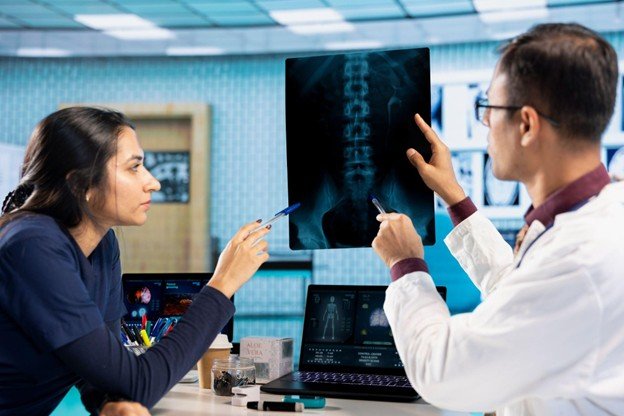
We confirm the diagnosis using appropriate imaging such as X‑rays or MRI scans. We correlate scan findings with clinical signs to avoid unnecessary procedures. Accuracy at this stage guides every decision that follows.
Our team prioritizes non‑surgical management whenever possible. We design personalized care plans that aim to reduce pain, improve mobility, and protect long‑term spine health.
Non‑surgical options may include:
- Medications to control pain and inflammation
- Structured physiotherapy and supervised exercises
- Posture correction and activity modification
- Lifestyle guidance to reduce spinal strain
When conservative care does not provide relief, we evaluate surgical options with care and restraint. We discuss benefits, risks, and recovery expectations in clear terms so patients can make informed choices.
Surgical care focuses on:
- Minimally invasive and advanced surgical techniques
- Precise decompression of nerves when required
- Preserving spinal stability and motion where possible
We support recovery through structured follow‑up and rehabilitation. Ongoing monitoring allows us to adjust treatment and maintain consistent spine care over time.
Why Choose Dr. Naveen Tahasildar
We work with Dr. Naveen Tahasildar, a spine surgeon in Bangalore with over 17 years of focused experience in spinal care. He treats degenerative disc disease using evidence‑based methods and careful clinical judgment. His approach balances symptom relief with long‑term spine health.
We value his depth as a spine specialist trained through multiple fellowships and ongoing research work. He has contributed to peer‑reviewed publications and remains active in leading spine associations. This background supports consistent, guideline‑driven decisions for each patient.
We rely on minimally invasive options whenever appropriate. These techniques aim to reduce tissue damage, shorten recovery time, and limit hospital stay. Dr. Naveen Tahasildar also manages complex cases when conservative care no longer helps.
Dr. Naveen’s Key Strength’s:
| Area | Focus |
| Expertise | Degenerative disc disease, spinal disorders |
| Role | Spine surgeon and spine specialist |
| Location | Bangalore |
| Approach | Evidence‑based, patient‑centered care |
Take a look at our successful case studies
Case Study 1
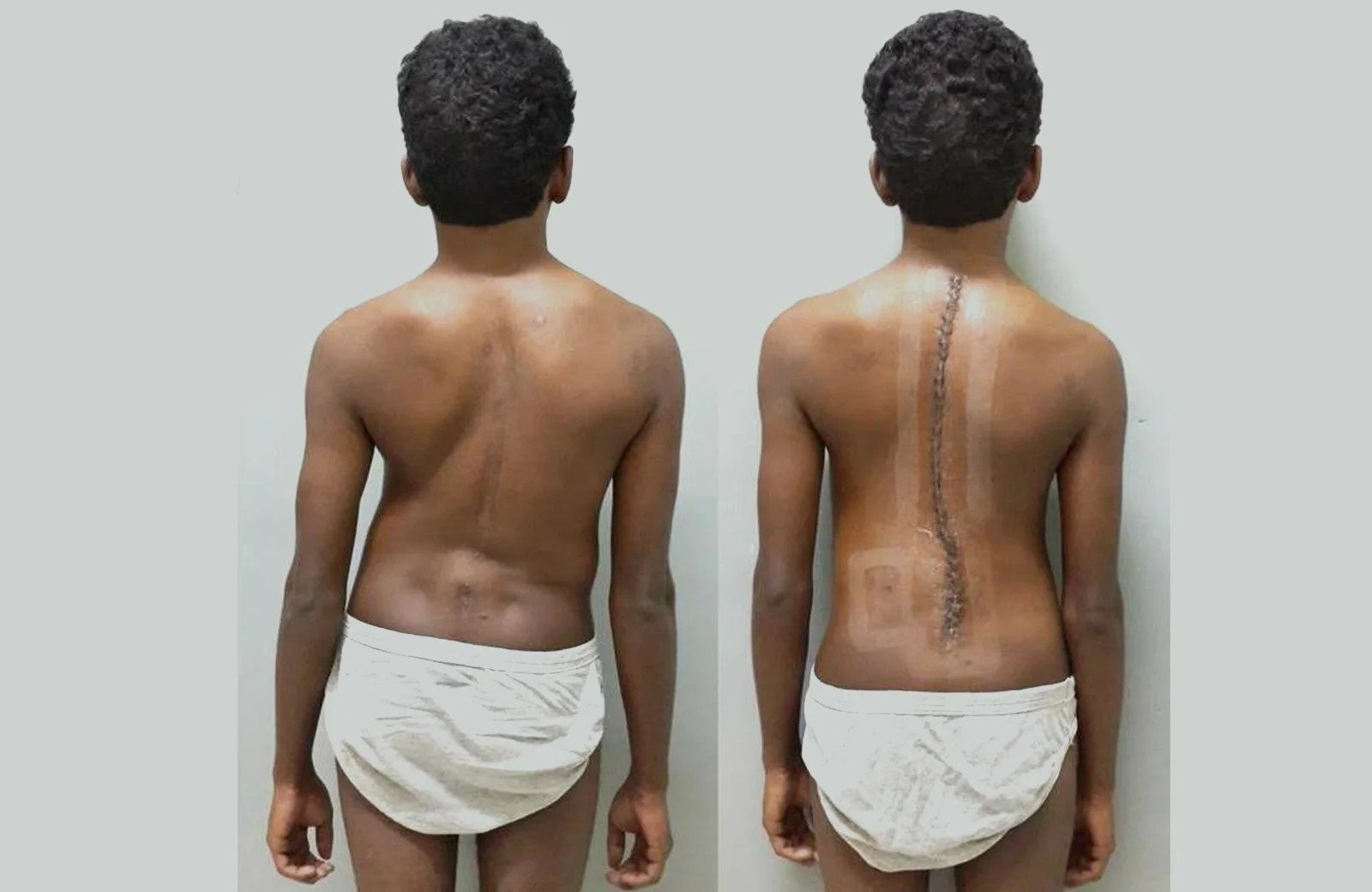
Mr B, an 18 year old boy, a resident of Chikkaballapur in Karnataka, presented to us with progressively increasing deformity of the back since childhood…
Case Study 2
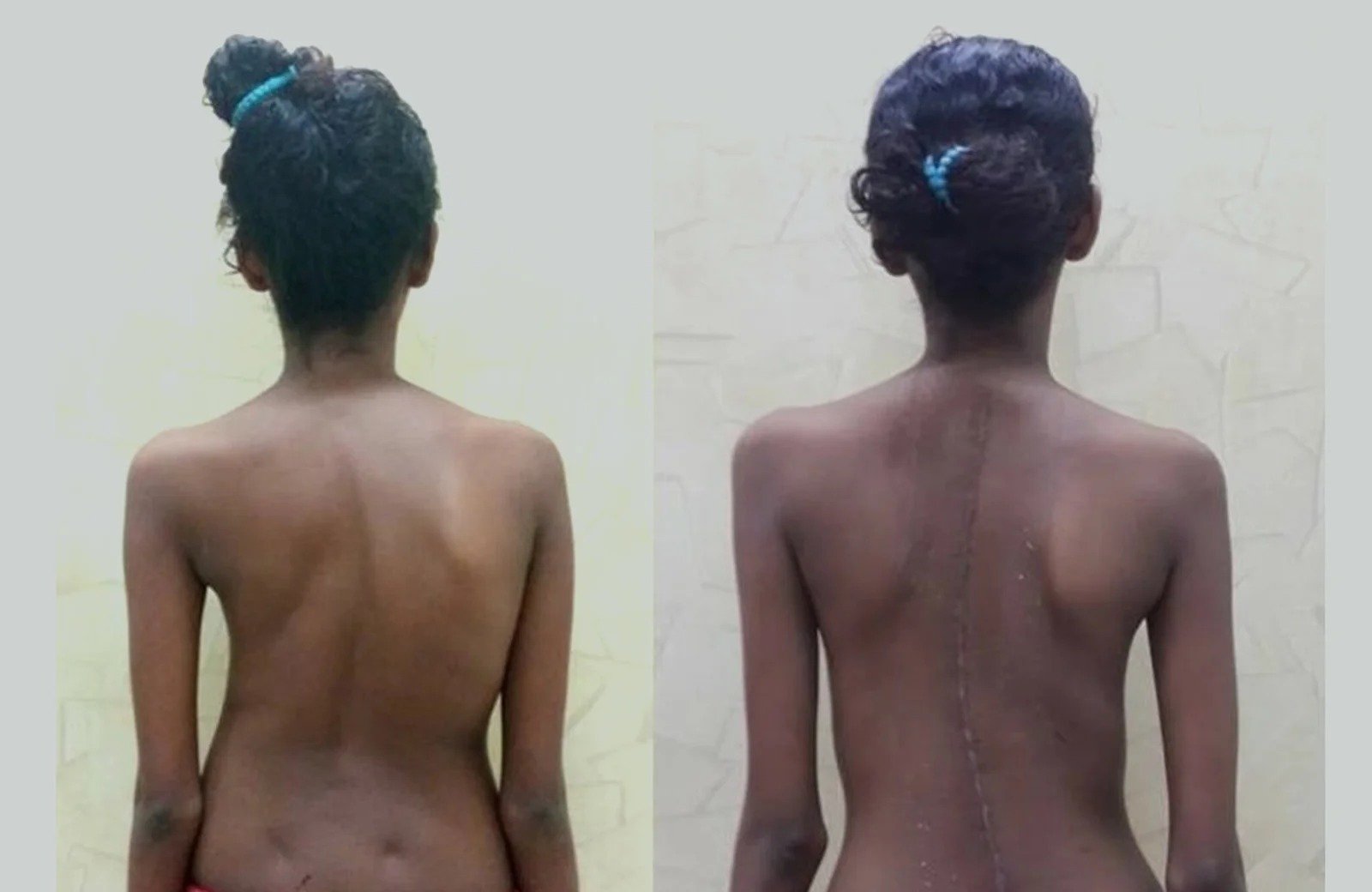
Ms A, 13 year old girl, a resident of West Bengal, presented to us with a spinal deformity which had been increasing in severity since last 2 years..
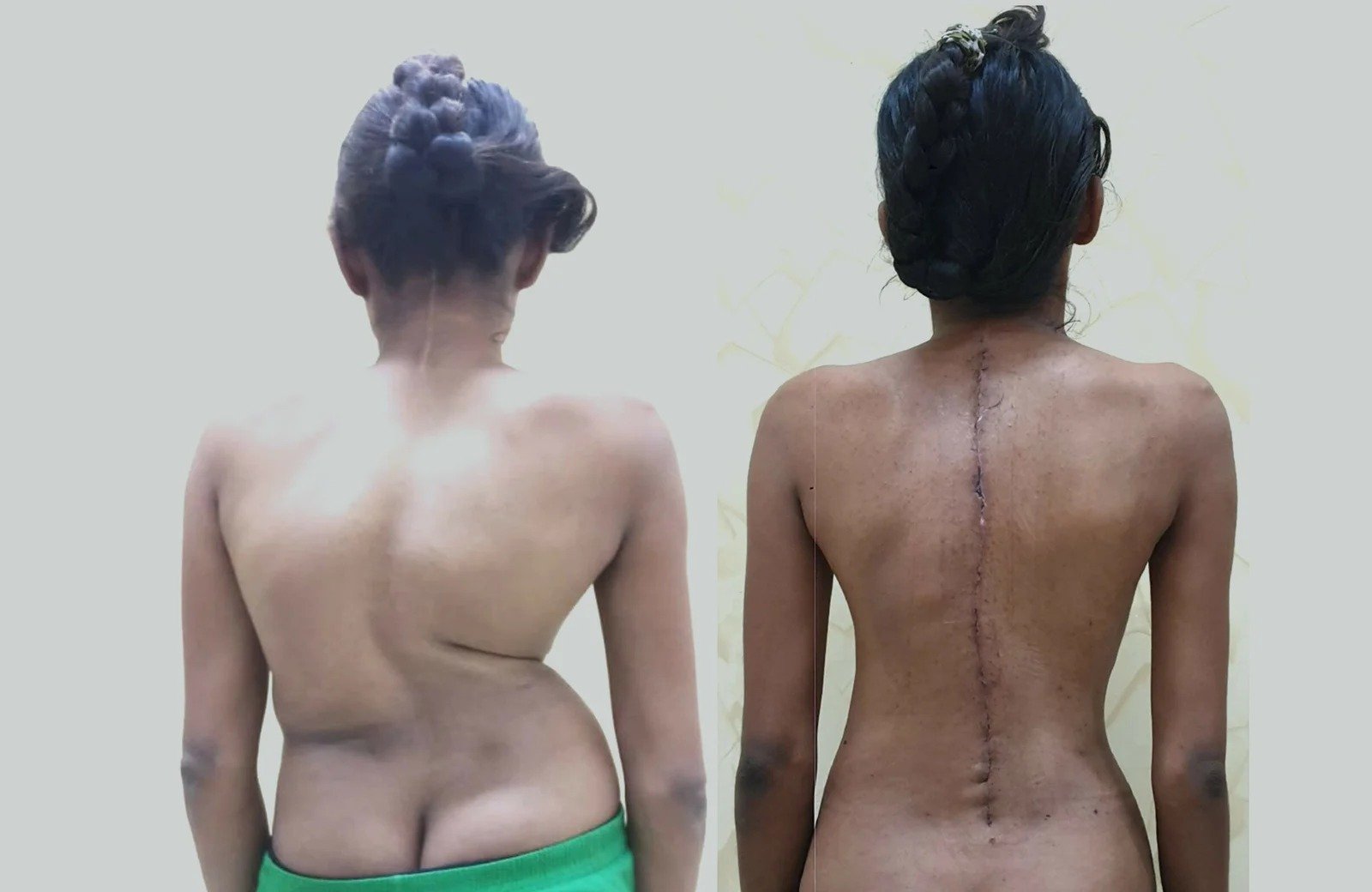
Case Study 3
Ms L, 18 year old girl hailing from Chikkodi Taluk, Belgaum district of Karnataka presented to our department in 2019 with a severe deformity in the spine…
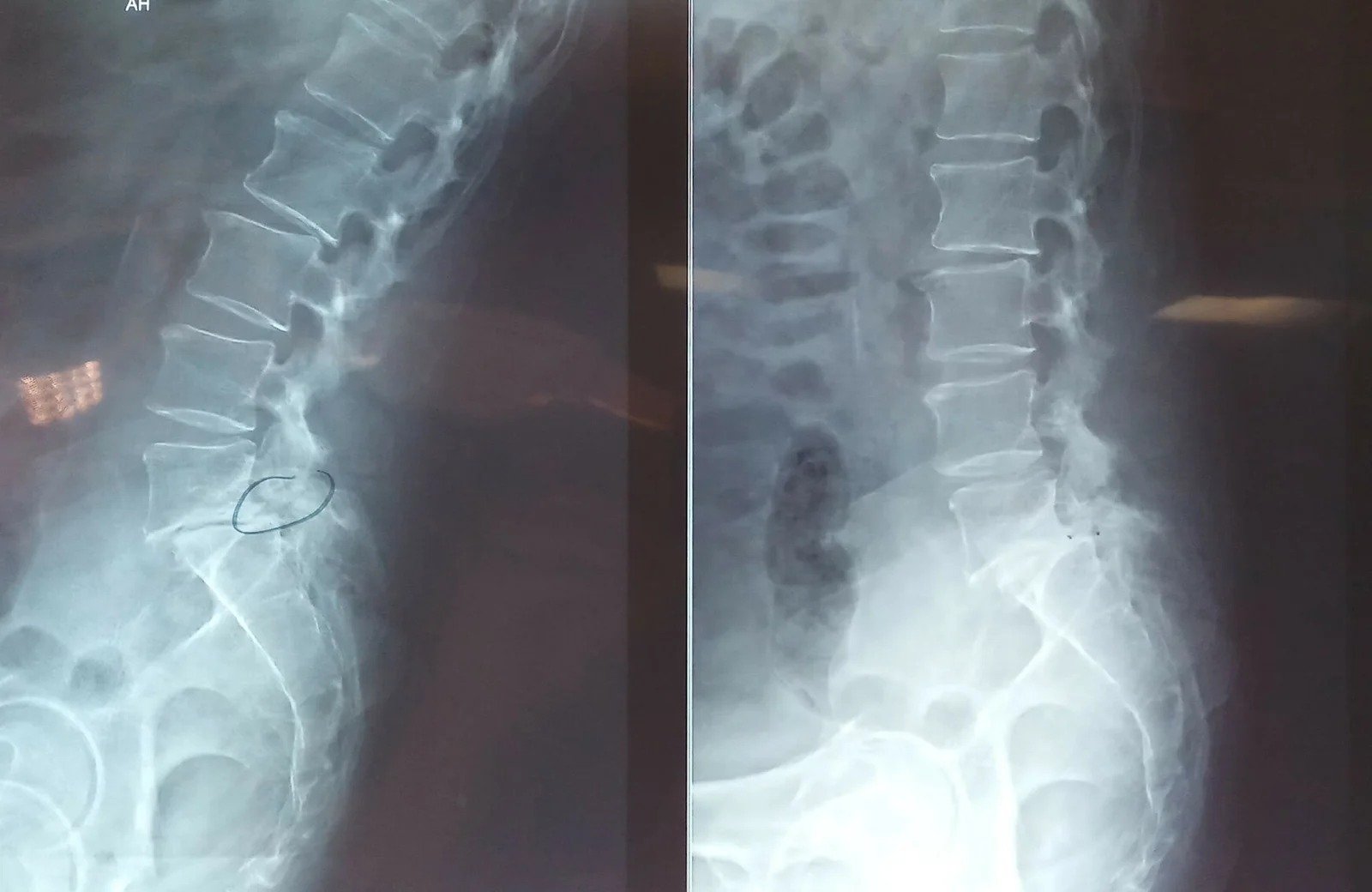
Case Study 4
Mr A, hailing from the city of Patna in Bihar, came with complaints of low back pain for 12 years which aggravated during the last 6 months…
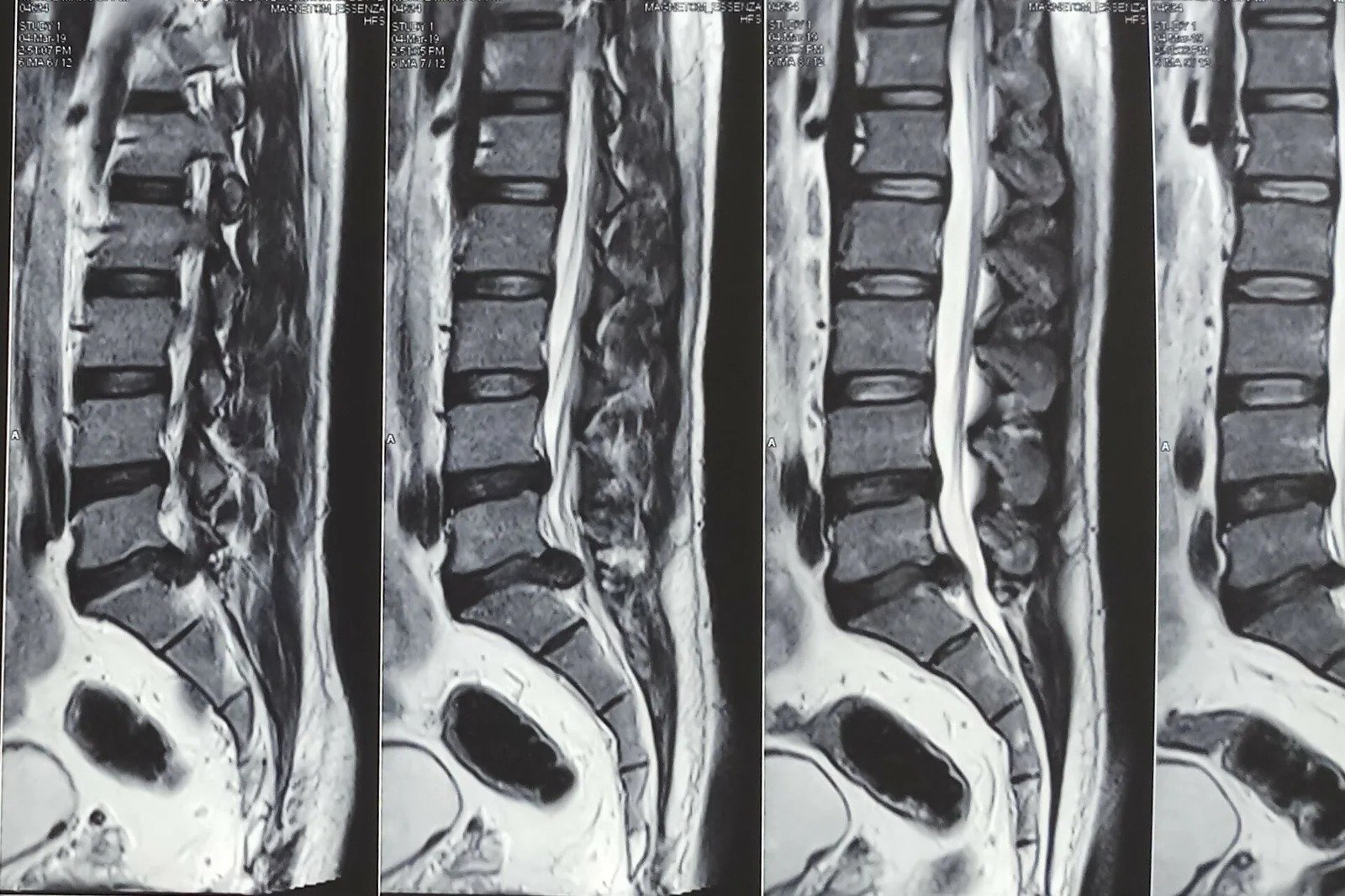
Case Study 5
Mr B, an 18 year old boy, a resident of Chikkaballapur in Karnataka, presented to us with progressively increasing deformity of the back since childhood…
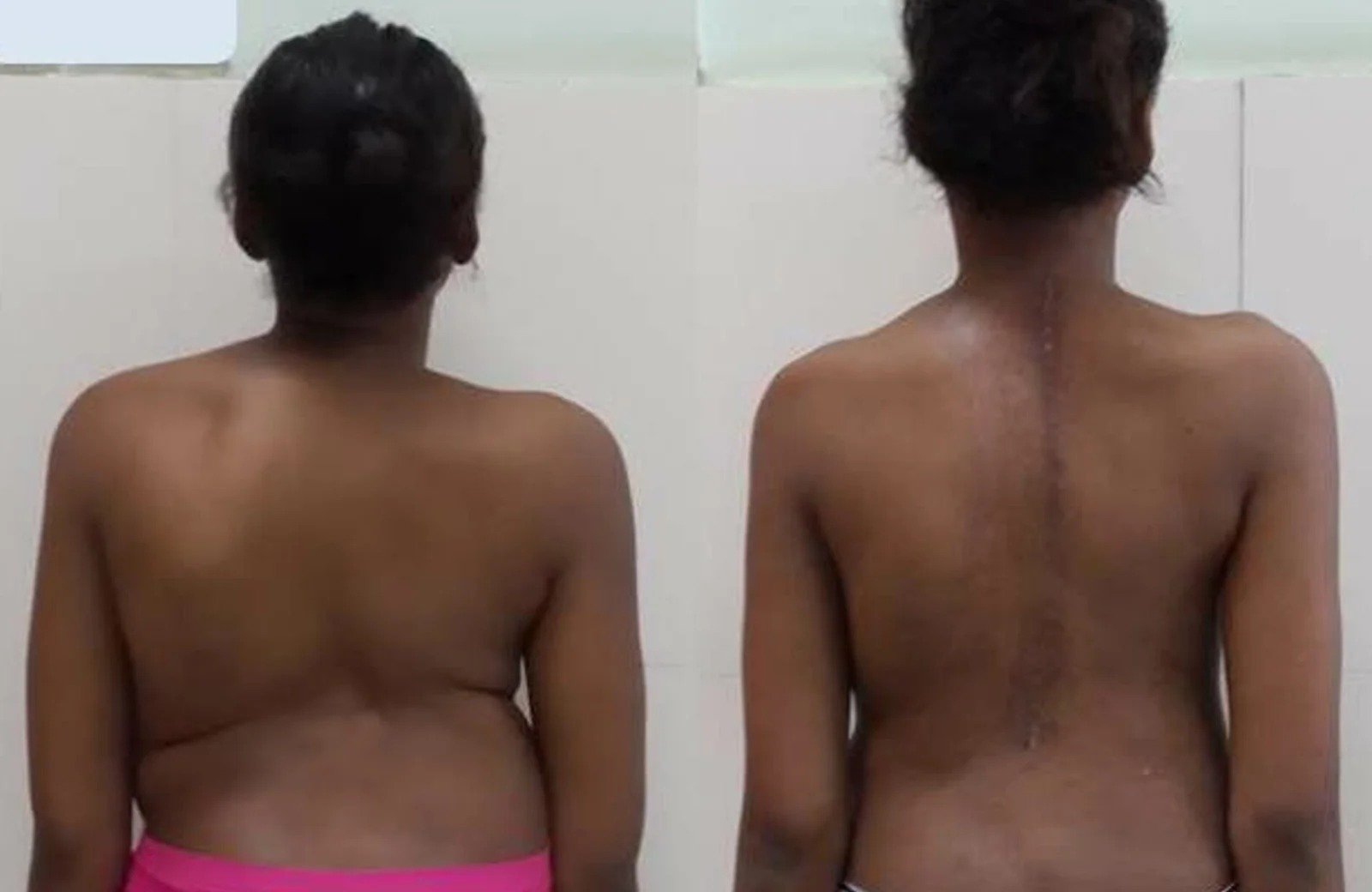
Case Study 6
Ms. J, 14 year old girl from Mauritius came to us with severe scoliosis, which had been progressing. Her daily activities were restricted due the breathing issues…
Case Study 7
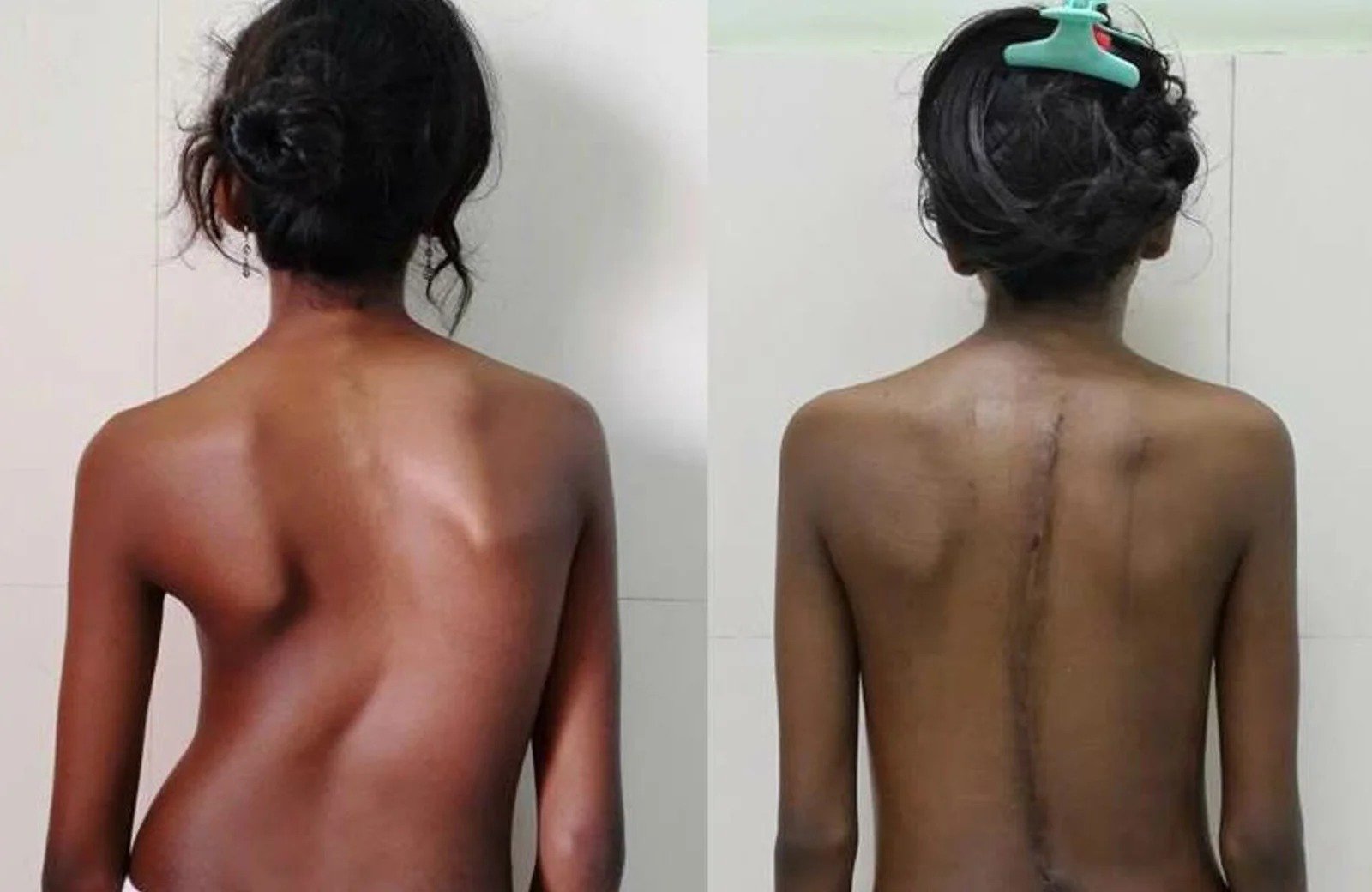
Ms. M 13 year old girl from Mauritius came to us with scoliosis (sideways bending of spine) which was noticed at the age of 12 years. The deformity kept progressing fast in 1 year…
Case Study 8
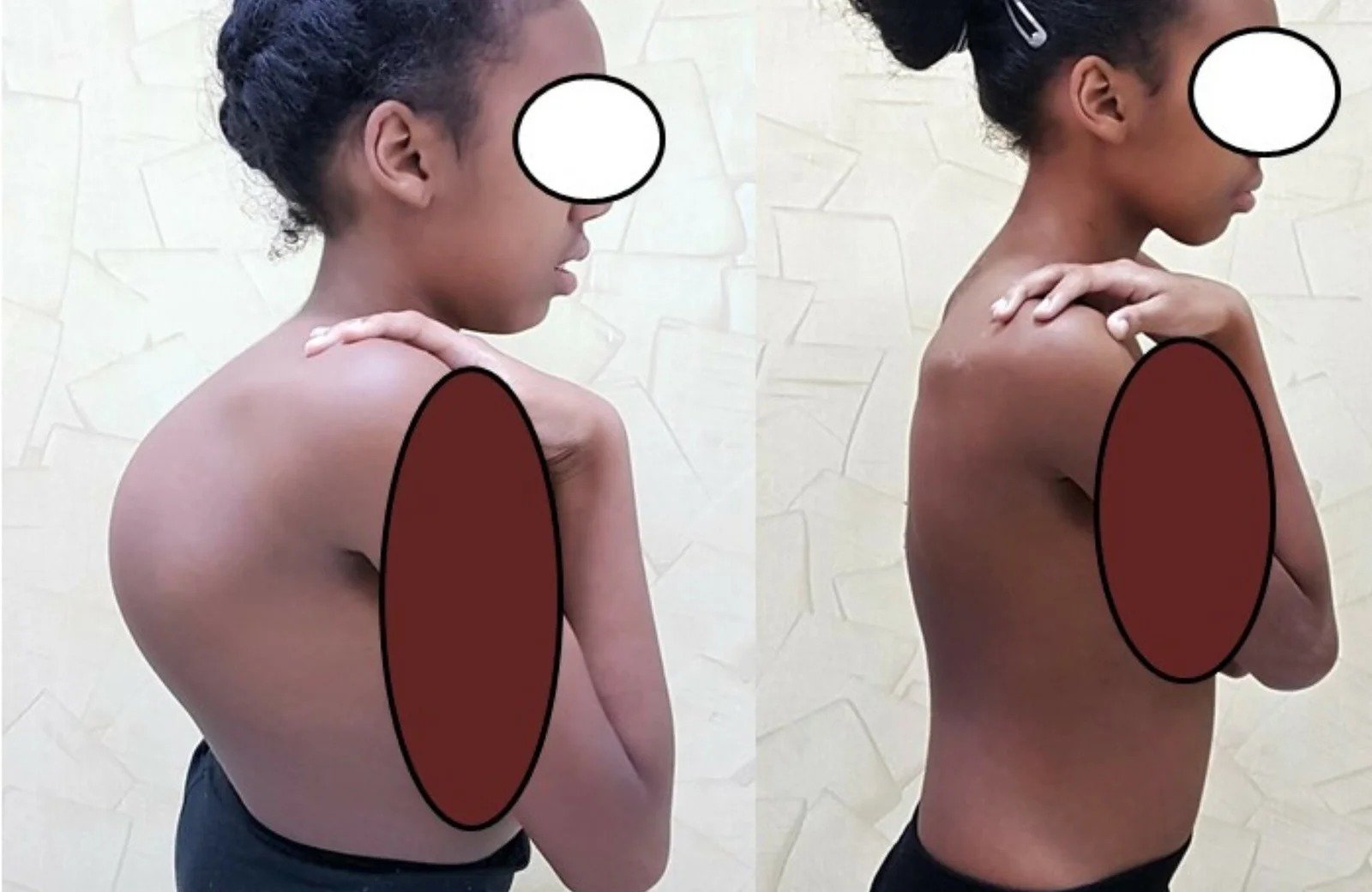
Ms. S, 12 year old girl from Mauritius came to Dr. Naveen Tahasildar- Consultant Spine Surgeon with a gradually increasing bend in her spine..
Our Patient testimonials
Hear From Our Patients


FAQs
1. What is degenerative disc disease and what causes it?
2. Can degenerative disc disease be cured without surgery?
3. How long does it take to recover from degenerative disc disease treatment?
4. What are the early warning signs of degenerative disc disease?
5. What is the cost of degenerative disc disease treatment in Bangalore?
Disclaimer: The information shared in this content is for educational purposes only and not for promotional use.