by clinicspotslocal | Oct 28, 2024 | Blog
Complete Spinal Cord Injury A complete spinal cord injury is characterized by the complete severing of the spinal cord at the precise site of the damage. Individuals who have a complete SCI lose all sensory perception and motor control for all bodily functions...
by clinicspotslocal | Oct 28, 2024 | Blog
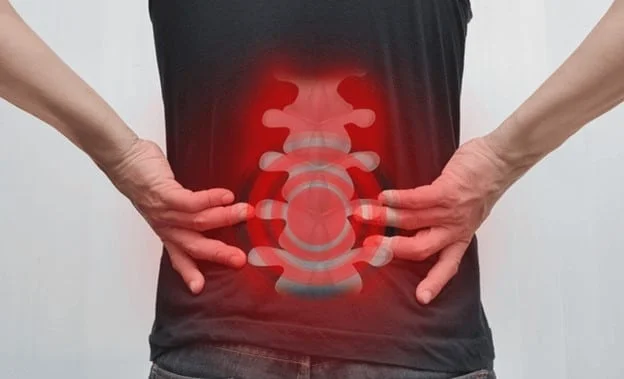
An acute spinal cord injury is a potentially life-altering injury that happens when there is damage, bruising, nerve compression, or distortion of the spinal cord. The spinal cord is a conglomeration of nerves that extends from the brain to the lower back,...
by clinicspotslocal | Oct 28, 2024 | Blog
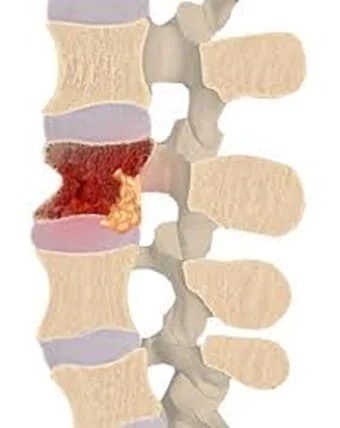
Vertebral osteomyelitis is an uncommon illness that affects the spine. Osteomyelitis, a condition characterized by a painful infection in the bone caused by bacteria or fungus, is considered to be rare. Vertebral osteomyelitis may occur as a consequence of spinal...
by clinicspotslocal | Oct 28, 2024 | Blog
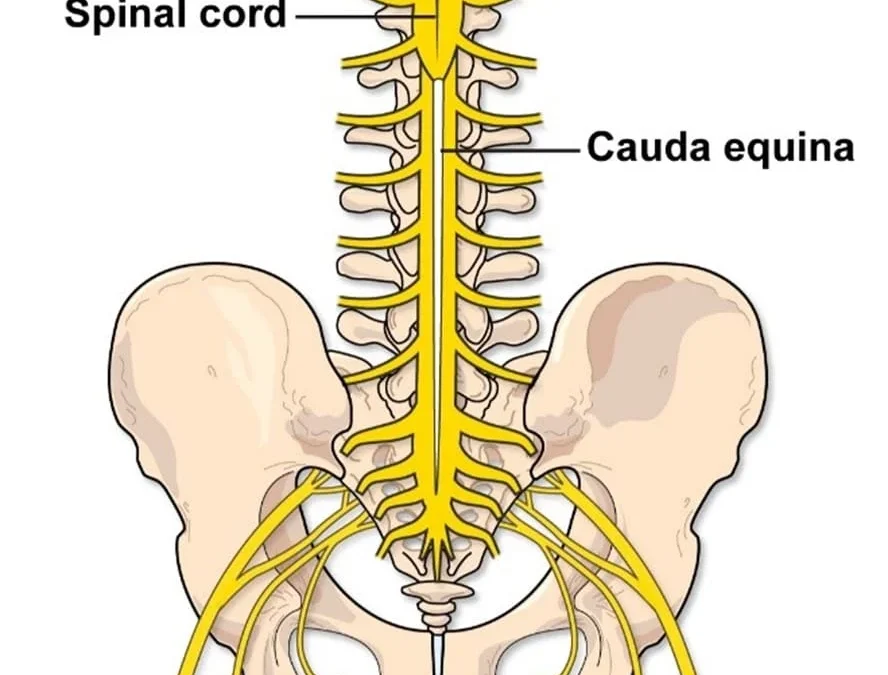
Cauda equina syndrome is a critical medical condition that occurs when an injury or herniated disk puts pressure on the nerve roots located at the lower end of the spinal cord. The cauda equina nerves establish communication with both the lower extremities and the...
by clinicspotslocal | Jul 21, 2024 | Blog
Degenerative disc disease is a condition where the intervertebral discs, acting as a cushion between spine vertebrae, deteriorate. This deterioration results in numerous complications, such as bone spurs or formation of osteophytes. Disc degeneration with osteophyte...
by clinicspotslocal | Jul 10, 2024 | Blog
Tendons are connective tissues that consist of collagen and connect muscles and bones. They are strong and fibrous, but although they can tolerate stress, they are not unbeatable. In your spinal column, tendons play an important role as they assist in facilitating...