by clinicspotslocal | Feb 1, 2025 | Blog
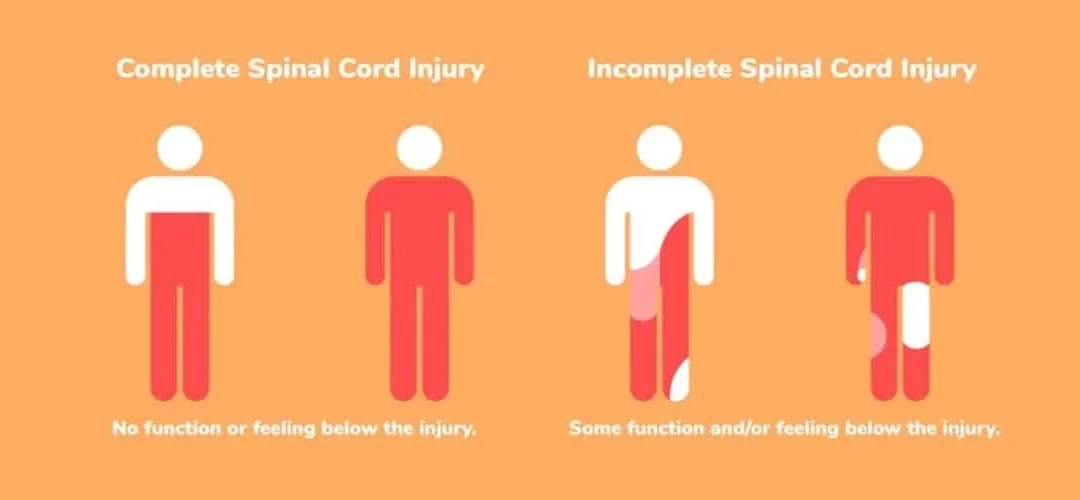
Spinal cord injuries (SCIs) can have severe and lasting effects on an individual’s mobility and overall quality of life. Understanding the classification of these injuries is crucial for effective treatment and rehabilitation. SCIs are primarily classified based on...
by clinicspotslocal | Dec 8, 2024 | Blog
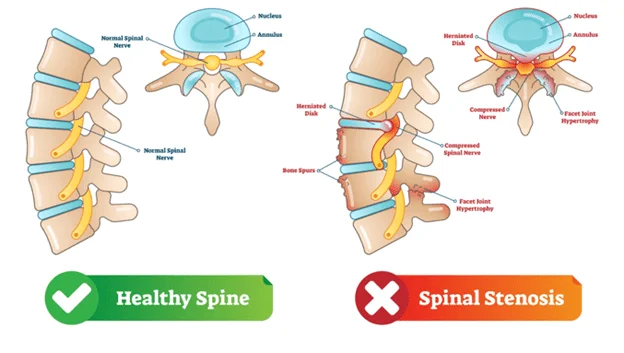
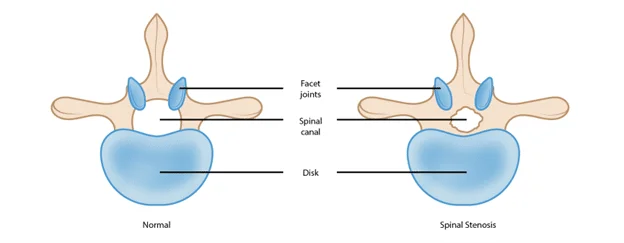
Cervical spinal stenosis is a medical disorder defined by the constriction of the spinal canal in the cervical area, potentially resulting in the compression of the spinal cord and nerve roots. This constriction may arise from multiple degenerative alterations in the...
by clinicspotslocal | Dec 8, 2024 | Blog
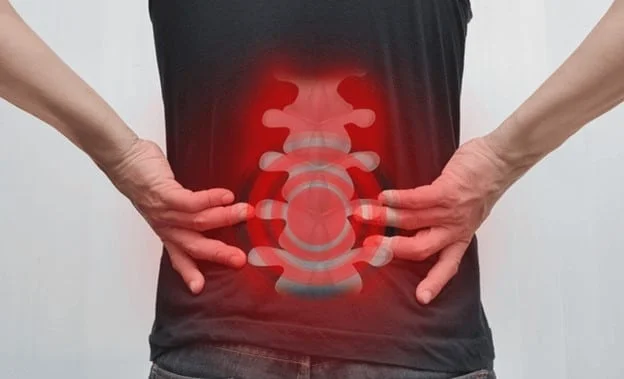
Lumbar spinal stenosis narrows the spinal canal in the lower back, squeezing the spinal cord and nerves. Constriction can lead to leg discomfort, numbness, and weakness. Lumbar spinal stenosis increases with age, particularly in the elderly. Understanding the causes...
by clinicspotslocal | Oct 28, 2024 | Blog
Complete Spinal Cord Injury A complete spinal cord injury is characterized by the complete severing of the spinal cord at the precise site of the damage. Individuals who have a complete SCI lose all sensory perception and motor control for all bodily functions...
by clinicspotslocal | Oct 28, 2024 | Blog
An acute spinal cord injury is a potentially life-altering injury that happens when there is damage, bruising, nerve compression, or distortion of the spinal cord. The spinal cord is a conglomeration of nerves that extends from the brain to the lower back,...