
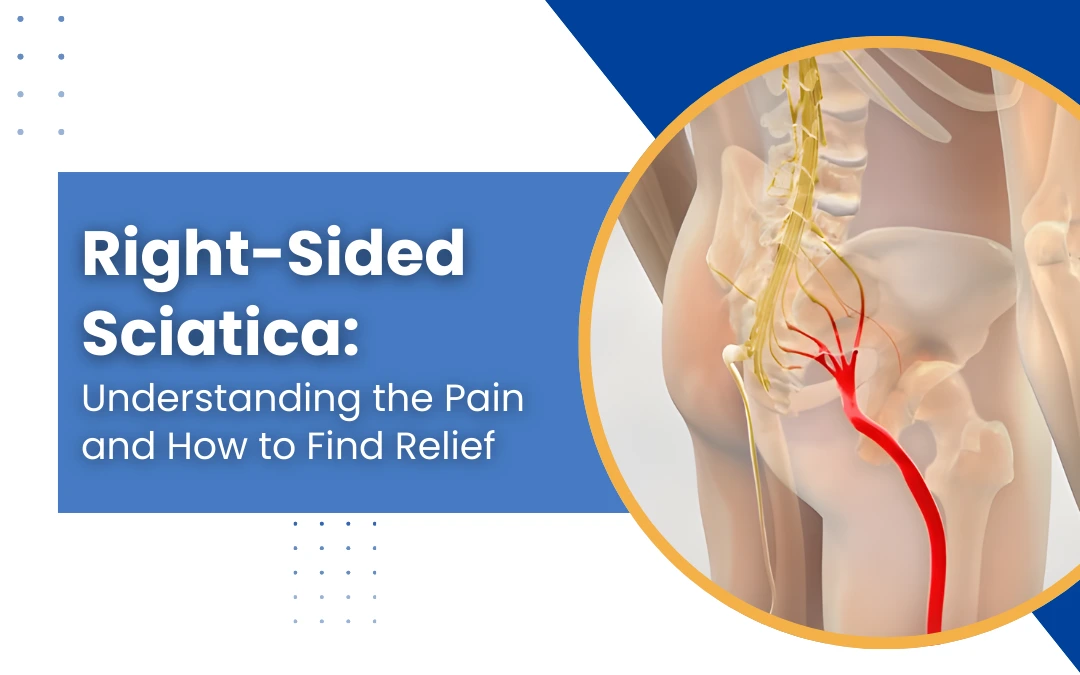
If you feel a sharp pain starting from your lower back and going down your right leg, do not ignore it. This is most likely right-sided sciatica. Dr. Naveen Tahasildar, a trusted spine surgeon in Bangalore, says that with the right diagnosis, most patients get better without needing surgery.
Identifying the Causes of Right-Sided Sciatica: What's Really Behind the Pain?
Sciatica on the right side happens when the sciatic nerve gets pressed or irritated. The most common causes include:
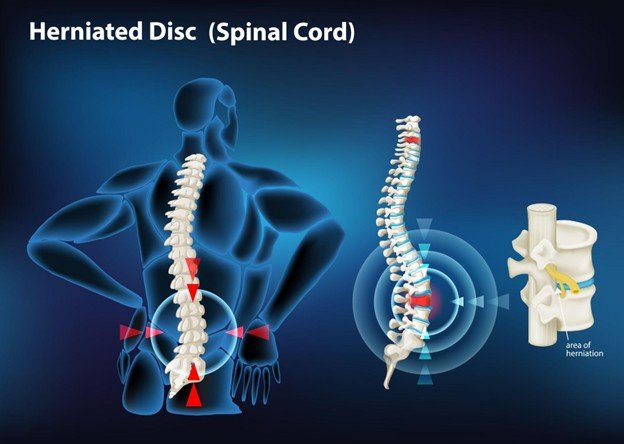
- Slipped or herniated disc: A slipped or herniated disc at the L4–L5 or L5–S1 level slips out and presses directly on the right nerve root
- Spinal stenosis: Spinal stenosis narrows the spinal canal and squeezes the sciatic nerve on the right side
- Degenerative disc disease: Degenerative disc disease wears down the discs over time, reducing their ability to cushion the spine
- Piriformis syndrome: Piriformis syndrome causes a tight hip muscle to irritate the sciatic nerve from outside the spine
Symptoms of Right-Sided Sciatica: Understanding the Signs
- Sharp or burning pain from the lower right back going down the right leg, sometimes reaching the foot
- Tingling, numbness, or “pins and needles” feeling in the leg or foot
- Weakness in the right foot, making walking difficult
- Pain that gets worse when sitting too long, bending, or sneezing
If pain is shooting down your right leg or your foot feels weak, get a spine check-up before it gets worse.
Essential Treatment Options to Relieve Right-Sided Sciatica Pain
Dr. Naveen Tahasildar always says that sciatica treatment must be planned based on each patient’s condition:

- Physiotherapy and exercises: First step for most patients
- Pain medicines: To manage inflammation in the early phase
- Steroid injections: When there is significant nerve root swelling
- Minimally invasive procedures: Such as microdiscectomy when a disc is the cause
- Surgery: Only when nothing else works after 6–8 weeks or when foot drop is present
Simple Tips to Prevent Right-Sided Sciatica and Stay Pain-Free
- Sit straight and avoid always crossing your right leg
- Use a chair with proper lower back support
- Do core exercises like planks and bird-dog stretches regularly
- Get up and walk every 45 minutes, avoid prolonged sitting
- Maintain a healthy body weight to reduce disc pressure
According to spine health guidance from AAOS, a healthy weight greatly reduces the risk of a slipped disc.
Home Remedies for Right-Sided Sciatica: Natural Ways to Find Relief
- Apply an ice pack on the lower right back for the first 2–3 days
- Switch to a heat pad after that to relax tight muscles
- Try the knee-to-chest stretch to relieve nerve pressure
- Follow McKenzie method exercises as advised by a physiotherapist
- Sleep on your left side with a pillow between your knees
Diet and Nutrition Tips to Support Sciatica Recovery
- Eat anti-inflammatory foods like turmeric, ginger, leafy greens, and omega-3-rich fish
- Include Vitamin B12-rich foods like eggs, dairy, and fortified cereals for nerve repair
- Drink enough water to keep spinal discs hydrated
- Avoid junk food, sugar, and excess salt as they slow down recovery
Conclusion
The goal is simple: relieve the nerve, protect your spine, and get you back to your normal life.
FAQs
Can right-sided sciatica go away on its own?
Yes, mild sciatica can improve in a few weeks with rest and basic care. If pain continues beyond 6 weeks, see a spine specialist.
What is the most common cause of right-sided sciatica?
A slipped disc at the L4–L5 or L5–S1 level pressing on the right nerve root is the most common cause.
Is walking good or bad for sciatica?
Short, gentle walks are good as they improve blood flow. Avoid long walks that make the pain worse.
When does sciatica need surgery?
When pain does not improve after 6–8 weeks of treatment or when foot weakness or nerve damage is present.
Can sciatica affect only one side?
Yes. Sciatica usually affects only one side depending on which nerve root is being pressed.